Title: Trump’s High-Stakes Iran Strategy: Navigating Military Action and Oil Stability
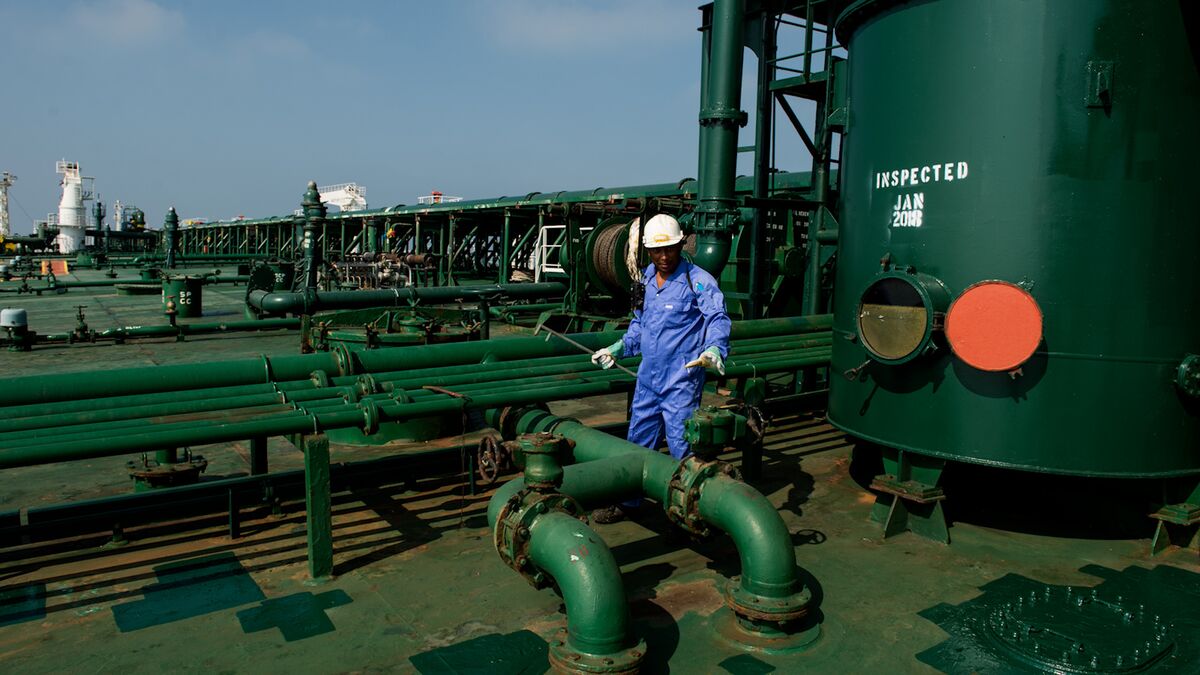
In a rapidly evolving geopolitical landscape, President Trump’s recent military strike on Iran’s Kharg Island has sparked immediate concerns regarding global oil supply and market volatility. On “Bloomberg This Weekend,” Axios Energy Reporter Ben Geman underscored the precarious balance the administration must maintain between asserting military strength against Iran and ensuring uninterrupted oil flow from the Middle East, a region critical to global energy supplies.
The strike, which targeted a key Iranian oil facility, comes amid escalating tensions between the U.S. and Iran, particularly following Tehran’s aggressive posturing in the Strait of Hormuz. This vital waterway is responsible for the transit of approximately 20% of the world’s oil supply. Geman emphasized that while the U.S. aims to contain Iran’s military ambitions, any disruption in oil supply could lead to significant price spikes, impacting economies worldwide.
This situation is particularly pressing as the energy market is still reeling from the fallout of the COVID-19 pandemic, which dramatically altered demand patterns. With OPEC+ countries already struggling to stabilize prices, any further instability could exacerbate existing economic challenges, especially for countries reliant on oil imports. Experts warn that the U.S. must tread carefully; a miscalculation could not only provoke Iran but also alienate key allies in the region who fear the repercussions of a wider conflict.
The implications of this military action extend beyond immediate energy concerns. Should tensions escalate further, it could lead to a broader confrontation that disrupts global markets and fuels economic uncertainty. Analysts suggest that the U.S. must engage in diplomatic efforts alongside military strategies to mitigate risks and promote stability in a region fraught with volatility.
Comparatively, this situation echoes previous conflicts in the Middle East, such as the Gulf War, where military actions significantly impacted global oil prices. However, today’s landscape is more complex, with the rise of alternative energy sources and shifting alliances that could alter the traditional responses seen in past conflicts. Geman points out that the U.S. must consider these dynamics as it formulates its strategy moving forward.
As we watch this situation unfold, several key factors will be crucial in the next 24 hours. The response from Iran, potential sanctions, and the reactions of major oil-producing nations will likely shape the trajectory of both military and market developments. Furthermore, experts recommend that consumers remain alert to potential fluctuations in fuel prices as this geopolitical drama plays out.
Key Takeaways:
– The U.S. strike on Iran’s Kharg Island raises concerns about global oil supply disruptions.
– Approximately 20% of the world’s oil supply passes through the Strait of Hormuz, heightening the stakes.
– Market analysts warn of potential price spikes and economic ramifications if tensions escalate.
– In the next 24 hours, monitor Iran’s response and OPEC+ reactions for signs of market shifts.
– This incident reflects broader trends in energy security and geopolitical stability, emphasizing the need for a balanced approach in U.S. foreign policy.
Original source: Bloomberg
How this was produced: AI-assisted synthesis from cited source, filtered for duplication and low-value rewrites by TxtFeed quality rules.



Comments
No comments yet. Be the first to share your thoughts.