Asia’s Shift to US Energy: A Strategic Move Amidst Middle East Instability
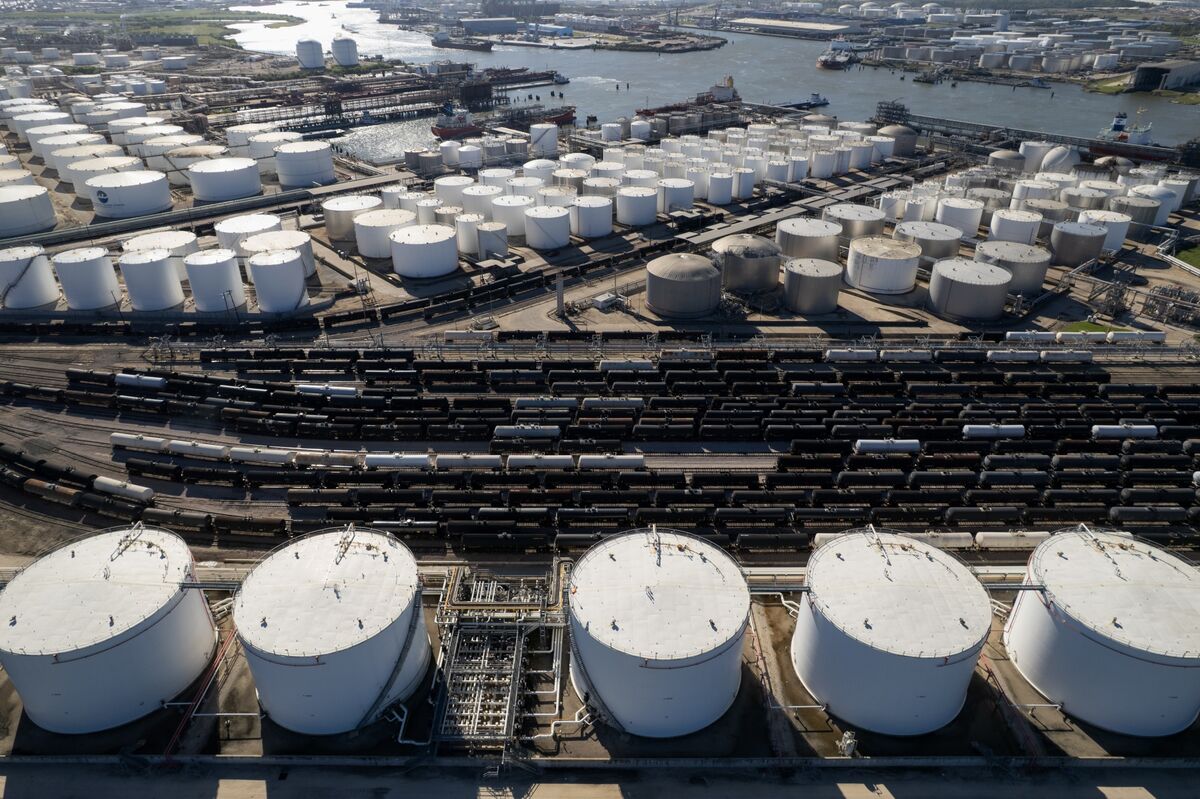
In a significant pivot, Asian nations are increasingly turning to the United States for energy supplies, as highlighted by Environmental Protection Agency Administrator Lee Zeldin. This shift comes in response to growing regional instability in the Middle East, alongside mounting concerns over the reliability of supply chains. The geopolitical landscape is prompting Asian countries to seek alternative energy partnerships, positioning the U.S. as a key player in the global energy market.
Historically, Asia has heavily relied on the Middle East for oil and gas, but recent tensions—exacerbated by conflicts and political unrest—have created uncertainty in supply. Zeldin's remarks underscore a critical moment where energy security is becoming paramount for nations that traditionally depended on Middle Eastern resources. The U.S., with its abundant shale oil and natural gas reserves, is poised to fill this gap, offering an alternative that could reshape energy dynamics in the region.
This transition is particularly pressing now as the global economy continues to recover from the shocks of the pandemic and the energy crisis triggered by the war in Ukraine. The urgency to establish stable energy sources has never been more pronounced, with Asian countries actively seeking long-term contracts and partnerships with U.S. energy firms. This not only enhances their energy security but also diversifies their supply chains, reducing vulnerability to geopolitical tensions.
The implications of this shift are profound. For the U.S., it represents an opportunity to strengthen its influence in Asia, fostering economic ties that could lead to more robust trade relationships. For Asian countries, reducing reliance on Middle Eastern oil could lead to greater energy independence and stability. This strategic realignment may also encourage investment in renewable energy technologies, as countries look to balance traditional energy sources with sustainable options.
Experts note that this trend is not entirely new; however, it has gained momentum due to recent geopolitical events. Comparatively, this mirrors the post-1970s oil crisis when countries sought alternatives to Middle Eastern oil. The current situation, however, is marked by a broader commitment to climate goals and a transition toward cleaner energy sources, indicating a more complex landscape than in previous decades.
As this energy dynamic evolves, stakeholders must remain vigilant. The next 24 hours will be critical as negotiations between U.S. energy firms and Asian governments are expected to unfold. Observers should pay attention to announcements regarding new trade agreements or energy partnerships that could solidify this shift.
Key Takeaways:
- Key Fact: Asian countries are increasing U.S. energy imports to mitigate reliance on Middle Eastern supplies.
- What Changed: A shift from Middle Eastern energy dependence to U.S. partnerships due to regional instability.
- What to Watch: Upcoming announcements on energy agreements between U.S. firms and Asian nations.
- Practical Implication: Consumers may see shifts in energy pricing and availability as new supply chains develop.
- Related Trend: A growing focus on diversifying energy sources and investing in renewable technologies in the Asia-Pacific region.
Original source: Bloomberg
How this was produced: AI-assisted synthesis from cited source, filtered for duplication and low-value rewrites by TxtFeed quality rules.




Comments
No comments yet. Be the first to share your thoughts.