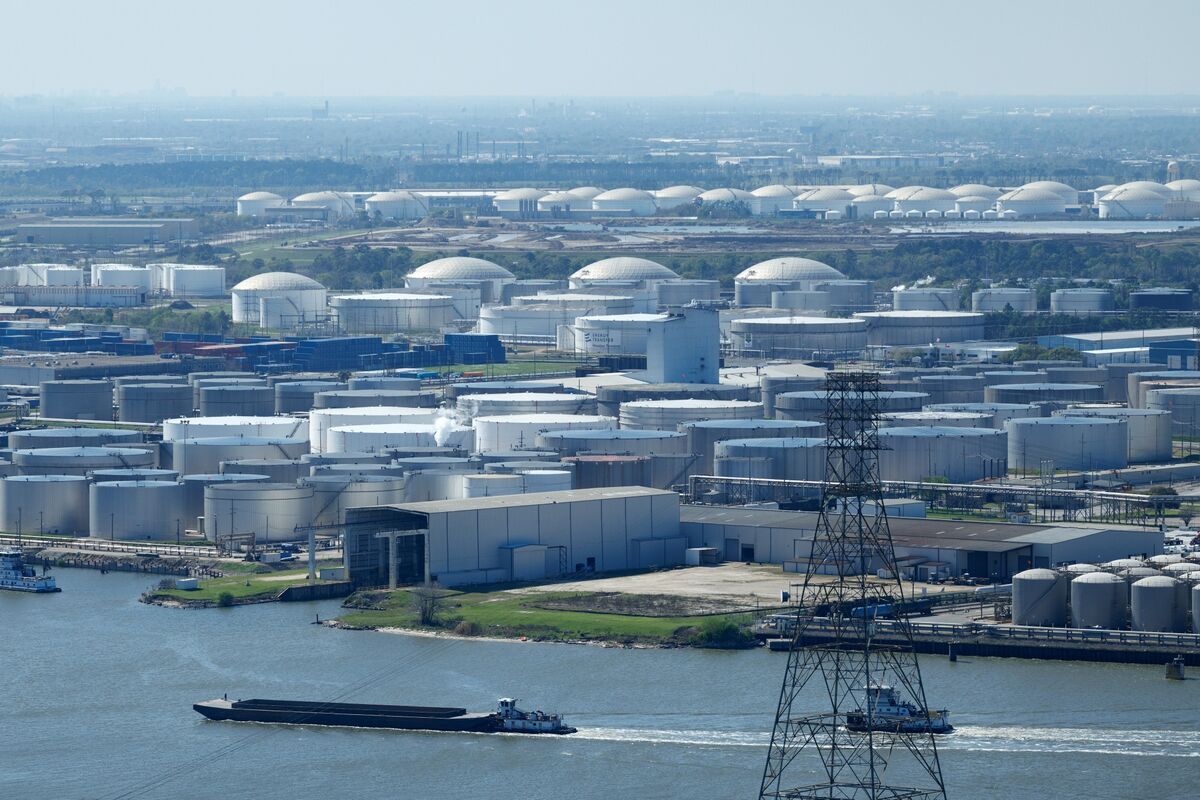
Dollar Heads for Worst Day in Over a Month as Oil Prices Decline
The U.S. dollar is on track for its worst trading day in over a month, primarily driven by a significant drop in oil prices. This decline comes as optimism builds around the resumption of shipping traffic through the crucial Strait of Hormuz, a vital artery for global oil transportation. As oil prices fall, the dollar often weakens, reflecting the interconnectedness of commodity markets and currency valuation.
The Strait of Hormuz has been a focal point of geopolitical tensions, with recent disruptions affecting oil supply and pricing. Analysts report that the potential easing of these tensions is leading to a more stable outlook for oil supply. Specifically, Brent crude fell by approximately 3% to around $82 a barrel, while West Texas Intermediate (WTI) dropped to about $76. This downturn in oil prices has immediate implications for inflation and consumer spending, as lower energy costs can ease pressure on household budgets.
The significance of this movement in the dollar and oil prices cannot be understated. A weaker dollar typically encourages exports, making U.S. goods cheaper for foreign buyers, potentially boosting the economy. However, this scenario also raises concerns about inflationary pressures, particularly in the energy sector, which can ripple through the economy. As the dollar's value fluctuates, it could also impact international investments and trade agreements, especially for countries heavily reliant on oil imports.
In the coming days, market watchers will be keenly observing how this situation evolves. If oil prices stabilize or continue to decline, further weakening of the dollar could follow, influencing global markets and potentially prompting shifts in monetary policy discussions by the Federal Reserve. Investors will be particularly interested in any signals regarding inflation trends and economic growth forecasts.
Experts suggest that this volatility in the dollar and oil prices may be part of a larger trend towards market normalization after the disruptions caused by the pandemic and geopolitical tensions. As economies adjust, the interplay between energy costs and currency valuation will remain a critical focus for policymakers and investors alike.
Key Takeaways:
- The dollar is experiencing its worst day in over a month, correlated with a 3% drop in oil prices.
- The potential resumption of shipping traffic in the Strait of Hormuz is driving optimism in oil markets.
- Watch for further developments in oil pricing and their impact on the dollar in the next 24 hours.
- Consumers may benefit from lower energy costs, which could translate to reduced inflationary pressures.
- This trend reflects a broader normalization of markets post-pandemic, highlighting the interconnected nature of global economies.
Original source: Bloomberg
How this was produced: AI-assisted synthesis from cited source, filtered for duplication and low-value rewrites by TxtFeed quality rules.





Comments
No comments yet. Be the first to share your thoughts.