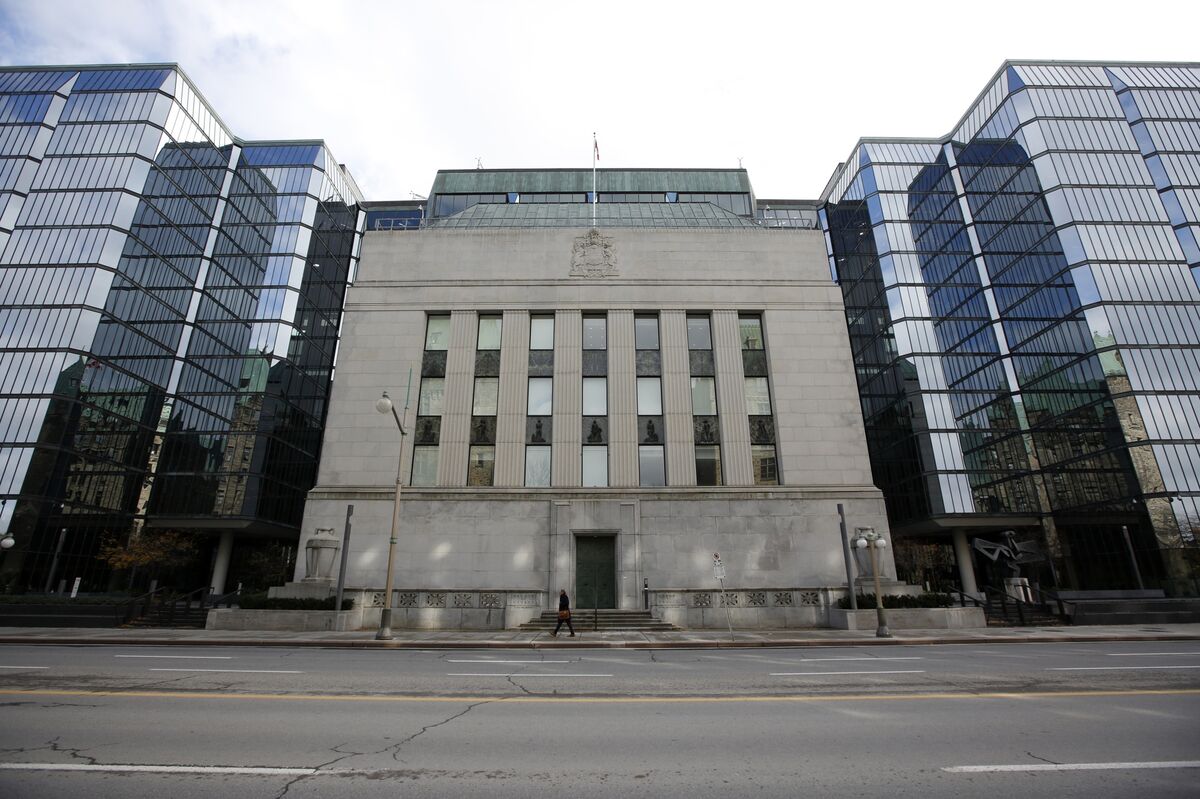
Bank of Canada Likely to Stay on Hold as Oil Scrambles the Outlook
In a significant development for both consumers and investors, the Bank of Canada is poised to maintain its current interest rates in light of rising oil prices. This decision comes amidst a backdrop of mixed economic indicators, with recent data suggesting a slowdown in growth. As oil prices surge, the central bank faces a delicate balancing act between managing inflation and supporting a faltering economy.
The recent spike in oil prices, driven by geopolitical tensions and supply chain disruptions, has raised concerns about inflationary pressures. Crude oil prices have surged by over 30% in the last three months, leading to higher transportation and manufacturing costs. In contrast, economic data reveals a worrying trend: Canada’s GDP grew by just 0.1% in the last quarter, and unemployment figures remain stubbornly high. This juxtaposition puts the Bank of Canada in a challenging position, as it must navigate the twin threats of inflation and economic stagnation.
The decision to hold interest rates steady, likely at 5.0%, signals a cautious approach. While higher oil prices typically lead to increased inflation, the weak economic indicators suggest that raising rates could further stifle growth. Analysts are closely monitoring the central bank's stance, as it could influence future monetary policy decisions. The Bank's next meeting is scheduled for next month, and any shifts in economic data could prompt a reevaluation of their strategy.
This situation is critical for Canadians, as interest rates directly impact mortgage rates, personal loans, and savings accounts. A steady rate means that consumers can expect stability in their borrowing costs, which is particularly important as many families are already feeling the pinch from rising living expenses. Conversely, if inflation continues to climb due to oil prices, the Bank may be forced to act sooner than anticipated.
Looking ahead, the implications of this decision extend beyond Canada. Global oil markets are increasingly interconnected, and any fluctuations in Canadian monetary policy could resonate internationally. Investors will be watching closely, as a stable Canadian dollar and interest rates could bolster confidence in the Canadian economy, attracting foreign investment.
Experts suggest that this scenario mirrors similar situations faced by central banks in other oil-dependent economies, where the balance between inflation and growth is a constant challenge. In the U.S., for instance, the Federal Reserve is also grappling with the impacts of fluctuating oil prices on its inflation targets, which could set the stage for a more coordinated response among G7 nations.
Key Takeaways:
- Oil prices have surged over 30% in the past three months, prompting inflation concerns.
- The Bank of Canada is expected to keep interest rates at 5.0% amid weak economic growth.
- Watch for economic data releases in the next 24 hours that could influence the Bank's policy.
- Consumers can expect stable borrowing costs, but rising oil prices could impact everyday expenses.
- This scenario reflects broader trends among oil-dependent economies facing inflation vs. growth challenges.
Original source: Bloomberg
How this was produced: AI-assisted synthesis from cited source, filtered for duplication and low-value rewrites by TxtFeed quality rules.





Comments
No comments yet. Be the first to share your thoughts.