Title: Chile's President Initiates Border Barrier Construction in Early Term Move
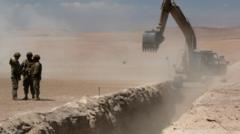
In a decisive move less than a week into his presidency, Chile’s José Antonio Kast has commenced the construction of a border barrier aimed at curbing illegal immigration. This monumental step signals a stark shift in Chilean immigration policy, reflecting both domestic pressures and regional immigration challenges. Kast’s visit to the site, where a modest ditch is being transformed, was marked by his declaration of the project as a “milestone” for national security.
This initiative comes amid rising public concern over immigration, with Kast, a right-leaning leader, advocating for stricter border controls. His administration's focus on this project aligns with his campaign promises to bolster national security and manage the influx of migrants, particularly from Venezuela and other South American nations. The barrier, while still in its nascent stages, represents a tangible commitment to these policies and sets a tone for future governance.
The immediate significance of this barrier lies not only in its physical presence but also in the broader implications for Chile’s socio-political landscape. The construction could serve as a litmus test for Kast’s ability to enact controversial policies amidst growing polarization. As the barrier takes shape, it may also provoke reactions from human rights groups and neighboring countries, potentially straining diplomatic relations within the region.
The timing of this initiative is particularly crucial. With the ongoing economic and humanitarian crises in various South American countries, migration pressures are expected to escalate. This barrier could either alleviate some of these pressures by enforcing stricter controls or exacerbate tensions with migrants seeking refuge. The implications of this policy could reverberate beyond Chile’s borders, influencing immigration policies in neighboring countries and potentially leading to a regional shift in handling migration.
Experts suggest that this move may set a precedent for similar policies across Latin America, where immigration has become a contentious issue. Comparisons can be drawn to the measures taken by other countries facing similar challenges, such as the United States and its southern border policies. The effectiveness and humanitarian implications of such barriers remain hotly debated, with potential lessons to be learned from those experiences.
As Kast’s administration embarks on this construction project, observers will be keen to watch the reactions from both the public and international community. Will this move galvanize support for his administration, or will it draw criticism that complicates his agenda? The next 24 hours could provide clarity as local and international stakeholders respond to the initial stages of this controversial project.
Key Takeaways:
- Key Fact: José Antonio Kast’s administration has initiated the construction of a border barrier within a week of taking office.
- What Changed: This represents a shift from previous policies that were more lenient towards immigration.
- What to Watch in the Next 24 Hours: Reactions from human rights organizations and neighboring countries regarding the barrier's construction.
- Practical Implication for Readers: Increased border security may affect travel and migration patterns, impacting those with family ties across borders.
- Related Broader Trend: Growing nationalism and stricter immigration policies are becoming more common in various countries facing immigration challenges.
This development not only marks a pivotal moment for Kast’s presidency but also raises critical questions about the future of immigration policy in the region.
Original source: BBC World
How this was produced: AI-assisted synthesis from cited source, filtered for duplication and low-value rewrites by TxtFeed quality rules.






Comments
No comments yet. Be the first to share your thoughts.