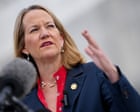
Arizona Charges Kalshi, Alleging Illegal Gambling with Election Bets
In a significant legal development, Arizona's attorney general, Kris Mayes, has filed criminal charges against Kalshi, a prediction markets platform, accusing it of operating an illegal gambling business by allowing users to place bets on election outcomes. This case, the first of its kind initiated by a state against Kalshi, underscores the growing tension between state regulators and innovative betting platforms as they navigate the murky waters of legality surrounding prediction markets.
Kalshi, which allows users to trade on the outcomes of various events, including elections, has found itself in the crosshairs of Arizona's legal system. The attorney general's office argues that the platform's operations violate state gambling laws, which have yet to fully accommodate the rise of prediction markets. In response, Kalshi has dismissed the charges as “paper-thin,” asserting that its business model is compliant with federal regulations and should not be subjected to disparate state laws that vary widely across the country.
This situation is particularly relevant as it unfolds against a backdrop of increasing scrutiny on prediction markets and their operational frameworks. With the rise of real-time betting on significant events, including political races, the legal implications become more complex. Arizona’s aggressive stance may set a precedent for other states, potentially leading to a wave of similar legal actions aimed at regulating or even shutting down prediction markets that operate without state approval.
The broader implications of this case extend beyond Arizona. The outcome could influence how other states approach the regulation of prediction markets, potentially stifling innovation in this emerging sector or, conversely, paving the way for clearer guidelines that benefit both operators and consumers. This legal battle may also raise questions about the future of betting on political events, a practice that has garnered both interest and controversy.
Experts in the fields of law and gaming regulation suggest that the Kalshi case could catalyze a nationwide debate on the legality and ethical considerations of betting on elections. Similar cases have emerged in the past, particularly regarding sports betting, which has seen states rapidly adapt their laws to accommodate new business models. This case might prompt lawmakers to revisit existing regulations and consider a more unified approach to prediction markets.
In the coming days, observers should pay close attention to how Kalshi responds to the charges and whether it takes any immediate legal action to contest them. This could set the tone for how prediction markets operate in the future, especially in states that may follow Arizona's lead. Stakeholders in the industry are likely monitoring developments closely, as legal clarity could either bolster or hinder their business models.
Key Takeaways:
- Arizona's attorney general has filed criminal charges against Kalshi for allegedly operating an illegal gambling business.
- This case sets a precedent as the first state action against a prediction markets platform, highlighting a growing regulatory trend.
- Kalshi claims its operations comply with federal law, arguing against inconsistent state regulations.
- In the next 24 hours, watch for Kalshi's legal response and any statements from other states regarding their regulatory stance on prediction markets.
- The outcome may influence the future of betting on elections, potentially impacting other states’ regulatory frameworks.
Original source: Guardian World
How this was produced: AI-assisted synthesis from cited source, filtered for duplication and low-value rewrites by TxtFeed quality rules.






Comments
No comments yet. Be the first to share your thoughts.