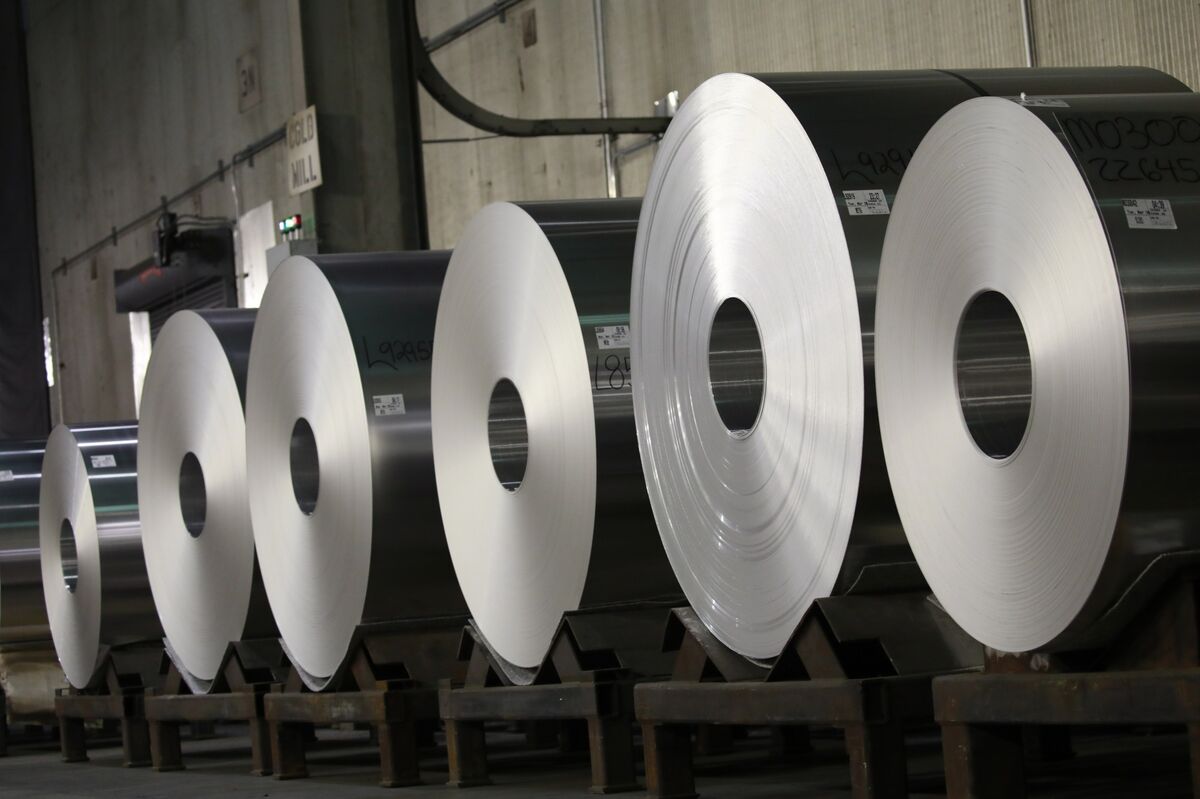
Alcoa Draws New Aluminum Orders as Gulf States Curb Production
Alcoa Corp., the largest aluminum producer in the United States, is experiencing a surge in demand for its products as Gulf States announce significant curtailments in aluminum production. This shift is particularly notable as it comes amid ongoing geopolitical tensions and supply chain disruptions that have rattled global markets. The immediate significance of this development lies in the potential for Alcoa to capitalize on the gap left by Gulf producers, thus solidifying its market position at a critical juncture.
The Middle East has been a significant player in the aluminum sector, with countries like Qatar and the UAE contributing a substantial portion of global output. However, recent decisions to limit production due to environmental regulations and rising costs have prompted buyers to seek alternatives. Alcoa reports that it has received a notable uptick in orders from both domestic and international clients looking to secure aluminum supplies that were previously sourced from the Gulf. This shift not only benefits Alcoa but also signals a potential transformation in the global aluminum supply chain.
The timing of these developments is crucial. With the global economy still reeling from the effects of pandemic-induced supply chain disruptions, manufacturers are now more than ever on the lookout for stable and reliable sources of raw materials. The curtailments in the Gulf could lead to higher aluminum prices, and companies like Alcoa are well-positioned to fill that gap. As the demand for lightweight and sustainable materials continues to rise, especially in automotive and construction sectors, Alcoa's strategic pivot could enhance its competitive edge.
Moreover, this situation raises broader implications for global trade dynamics. As buyers turn away from traditional suppliers in the Gulf, it could lead to a reshuffling of trade relationships. Countries that have relied heavily on aluminum imports from the Middle East may need to diversify their supply chains, potentially benefitting other regions or producers. This could also stimulate innovation and investment in alternative production methods, as companies seek to mitigate risks associated with geopolitical uncertainties.
Experts suggest that this trend may not only affect aluminum pricing but could also have a ripple effect on related industries. For instance, companies involved in the recycling of aluminum may see increased interest as manufacturers look for sustainable sourcing options. Additionally, as nations strive for greener economies, the pressure to produce aluminum with lower carbon footprints is likely to intensify, creating both challenges and opportunities for producers like Alcoa.
In summary, Alcoa's ability to attract new orders amidst Gulf production cuts underscores significant shifts in the aluminum market. As buyers reassess their supply chains, the implications could extend beyond immediate price changes, influencing global trade patterns and sustainability practices across industries.
Key Takeaways:
- Alcoa is witnessing increased orders as Gulf States limit aluminum production, highlighting a shift in global supply dynamics.
- The Middle East's share in the aluminum market is threatened, prompting buyers to seek alternatives, predominantly from Alcoa.
- Watch for potential price increases in aluminum and shifts in supply chains over the next 24 hours.
- For consumers and businesses, this could mean higher costs for products reliant on aluminum, pushing for strategic sourcing and recycling.
- This trend aligns with a broader move towards sustainability, as companies seek greener aluminum production methods amidst changing market demands.
Original source: Bloomberg
How this was produced: AI-assisted synthesis from cited source, filtered for duplication and low-value rewrites by TxtFeed quality rules.




Comments
No comments yet. Be the first to share your thoughts.