What's Eating Away at Inheritance Money
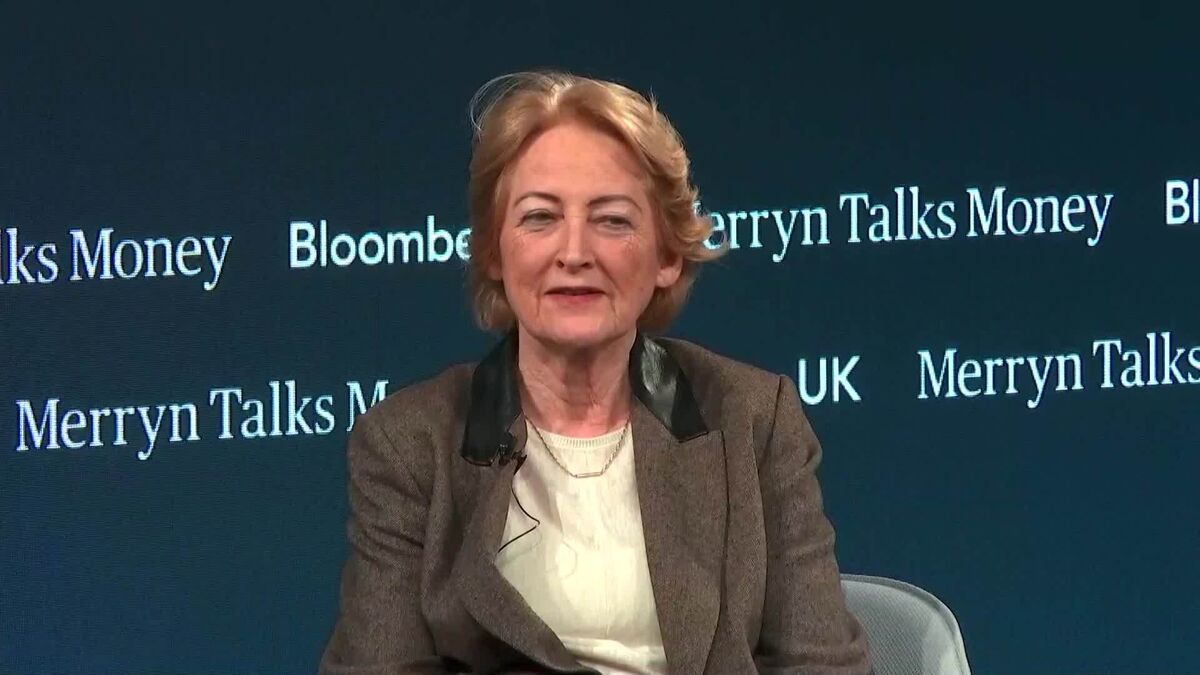
In a revealing discussion at a Bloomberg event in London, Paula Steele, director at John Lamb Hill Oldridge, shed light on the pressing issue of diminishing inheritance wealth. With rising living costs and increased taxation, many heirs are finding their legacies significantly eroded, raising concerns about the financial future of families across generations. The conversation underscored the urgency of understanding how external factors are reshaping the landscape of wealth transfer.
Steele pointed out that the traditional notion of passing down wealth is increasingly complicated by economic pressures. Inheritors, especially in urban areas, face soaring property prices and a high cost of living, which can consume a significant portion of any inheritance. Moreover, changes in tax legislation, particularly around inheritance tax thresholds, have made it more challenging for families to retain wealth over generations. This context is essential for understanding the changing dynamics of family wealth.
The implications of this trend are profound. As families grapple with the reality of diminished inheritances, the financial planning landscape is shifting. Individuals are now more frequently seeking advice on how to maximize their wealth while they are still alive, rather than solely focusing on how to pass it on. The conversation around inheritance is evolving from a focus on legacy to a more immediate concern about financial stability in the present.
What makes this topic particularly relevant now is the generational wealth transfer that is currently happening. As baby boomers age, trillions of dollars are expected to change hands. However, if these inheritances are significantly reduced by external economic factors, it could lead to a widening wealth gap, impacting not just families but also the economy at large. This situation calls for a re-evaluation of financial strategies and a deeper understanding of the socio-economic factors at play.
Experts warn that the current state of inheritance planning is evolving rapidly. Families may need to consider alternative strategies for wealth preservation, such as investing in different asset classes or exploring trusts to shield their wealth from taxes. Additionally, the conversation is shifting towards the importance of financial literacy, as heirs must be equipped with knowledge to effectively manage their inheritances in a challenging economic environment.
Key Takeaways:
- Key Fact: Families could see inheritances reduced by up to 30% due to rising living costs and taxes.
- What Changed: The focus of wealth transfer has shifted from legacy planning to immediate financial stability.
- What to Watch: Monitor upcoming tax legislation changes that may further impact inheritance wealth in the next 24 hours.
- Practical Implication: Heirs should consider financial literacy resources to better manage their inheritances.
- Related Broader Trend: A growing emphasis on financial planning and investment education as wealth transfer dynamics evolve.
Original source: Bloomberg
How this was produced: AI-assisted synthesis from cited source, filtered for duplication and low-value rewrites by TxtFeed quality rules.






Comments
No comments yet. Be the first to share your thoughts.