
Title: Fed Chief Jay Powell Warns Iran Oil Crisis Could Intensify U.S. Inflation
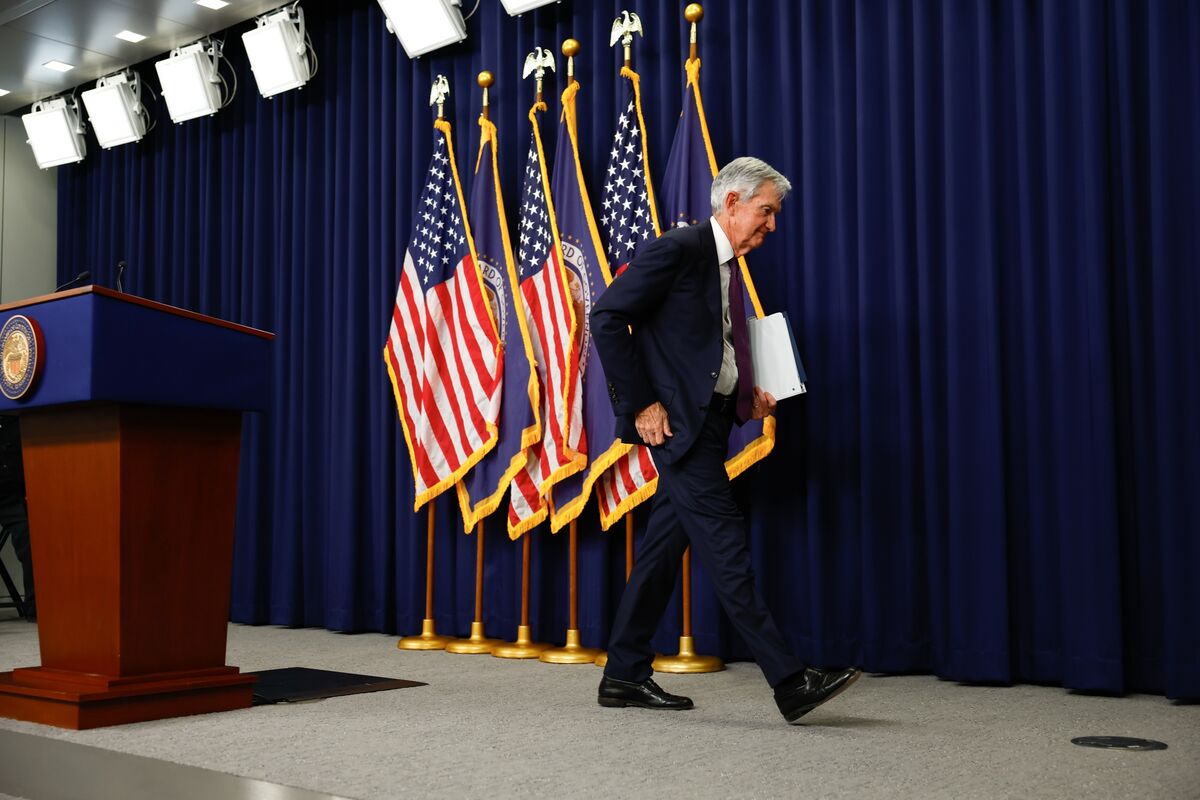
In a significant development for the U.S. economy, Federal Reserve Chair Jay Powell has indicated that the ongoing crisis surrounding Iranian oil exports could exacerbate inflation pressures in the United States. During a recent press conference, Powell highlighted how geopolitical tensions are affecting global oil supply, which in turn impacts domestic inflation rates. The implications of these remarks are particularly timely, as short-term borrowing costs have surged to their highest levels since last summer.
The backdrop to Powell's comments is rooted in the complex relationship between oil prices and inflation. With the Iranian oil crisis escalating due to renewed sanctions and regional instability, oil prices have become increasingly volatile. Powell noted that these fluctuations could lead to higher energy costs for consumers, thereby contributing to a general rise in prices across various sectors. The Fed's updated forecasts reflect this concern, with central bankers now projecting a more significant uptick in inflation than previously anticipated.
The urgency of Powell's statement comes at a time when inflation in the U.S. is already a pressing issue. Consumer prices have risen steadily over the past year, driven by a combination of supply chain disruptions and increased demand as the economy rebounds from the pandemic. The potential for a worsening oil crisis adds another layer of complexity, as energy costs often serve as a bellwether for overall economic health. As borrowing costs rise, consumers and businesses may face tougher financial conditions, potentially stifling growth.
Looking at the broader implications, the Fed's response to inflation is critical. If the Iranian oil crisis continues to escalate, the central bank may be forced to adopt more aggressive monetary policies, including further interest rate hikes. Such measures could lead to a significant slowdown in economic activity, which raises concerns about a possible recession. The delicate balance between curbing inflation and supporting economic growth is now more precarious than ever.
Experts are divided on the potential outcomes of Powell's warning. Some analysts believe that proactive measures could mitigate the worst effects of the oil crisis, while others fear that delayed action could lead to spiraling inflation. Comparisons to past oil shocks, such as those in the 1970s, underline the potential for widespread economic disruption if energy prices remain high for an extended period. The Fed's decisions in the coming weeks will be crucial in determining the trajectory of the economy.
Key Takeaways:
- Powell warns that the Iranian oil crisis could worsen U.S. inflation, with short-term borrowing costs reaching their highest since last summer.
- The Fed has revised its inflation forecasts upwards, reflecting the impact of rising oil prices on consumer costs.
- Watch for potential Fed policy shifts in response to inflation pressures over the next 24 hours.
- Readers should prepare for possible increases in borrowing costs and energy prices, which could affect household budgets.
- The situation reflects a broader trend of geopolitical tensions significantly influencing global economic stability.
Original source: Financial Times
How this was produced: AI-assisted synthesis from cited source, filtered for duplication and low-value rewrites by TxtFeed quality rules.




Comments
No comments yet. Be the first to share your thoughts.