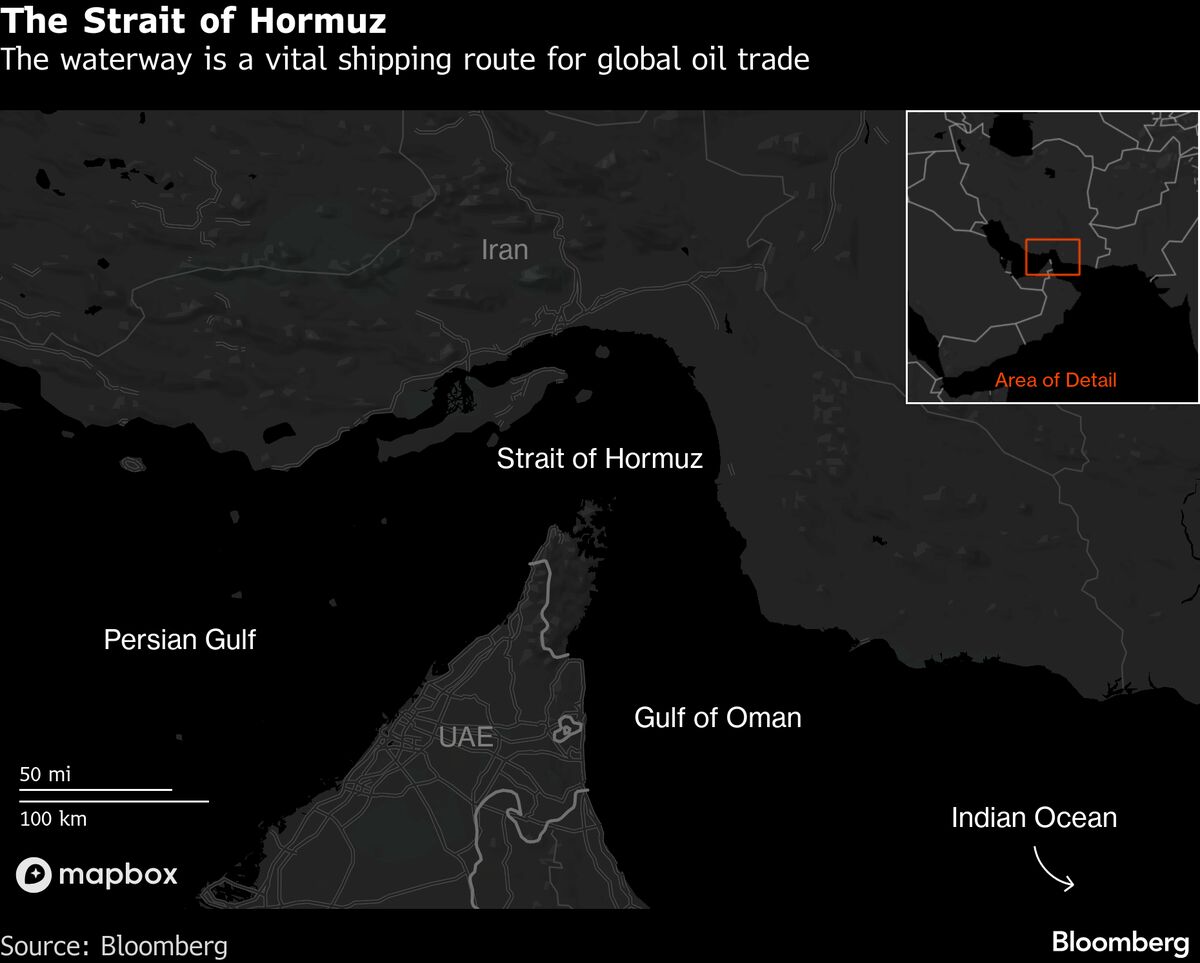
Title: Hormuz Strait Closure Forcing Trump, Importers to Seek Solution
The ongoing closure of the Strait of Hormuz, now surpassing three weeks, has significant implications for global energy markets and geopolitical stability. As one of the world's most crucial maritime routes, the strait handles nearly 20% of the world's oil supply. The disruption is forcing the U.S. administration and major oil-importing nations to rapidly seek alternatives to secure their energy needs amid escalating tensions in the Middle East.
The closure stems from rising hostilities between regional powers, particularly following a series of attacks on oil tankers and military vessels. These incidents have heightened fears of a broader conflict, prompting the U.S. to increase its military presence in the region while simultaneously engaging in diplomatic talks with key allies. Countries reliant on oil imports from the Gulf, such as China and Japan, are now facing the prospect of supply shortages and rising prices, which could ripple through global markets.
The situation is critical, as the closure not only affects oil imports but also impacts natural gas supplies and shipping costs. With the strait accounting for a significant portion of liquefied natural gas (LNG) exports, the repercussions could be felt in energy prices worldwide. Moreover, disruptions in the strait could lead to increased shipping insurance costs, further inflating prices for consumers and businesses alike.
In this context, the immediate focus for the U.S. and its allies is to explore alternative shipping routes and potential agreements with other oil-producing nations, such as those in Africa and South America. However, these alternatives may take time to implement, and the urgency of the situation means that any delays could exacerbate the current crisis.
Experts suggest that the current closure could accelerate a shift in energy dynamics, prompting countries to invest more heavily in renewable energy sources and domestic production capabilities. This could lead to a significant transformation in how energy is sourced and consumed globally, with long-term implications for oil dependency.
Key Takeaways:
- The Strait of Hormuz closure has lasted over three weeks, affecting 20% of global oil supply.
- The U.S. is increasing military presence while seeking diplomatic solutions.
- Energy prices could rise due to increased shipping costs and supply shortages.
- Watch for potential agreements with alternative oil producers in the coming days.
- The crisis may accelerate global shifts toward renewable energy investments.
Original source: Bloomberg
How this was produced: AI-assisted synthesis from cited source, filtered for duplication and low-value rewrites by TxtFeed quality rules.






Comments
No comments yet. Be the first to share your thoughts.