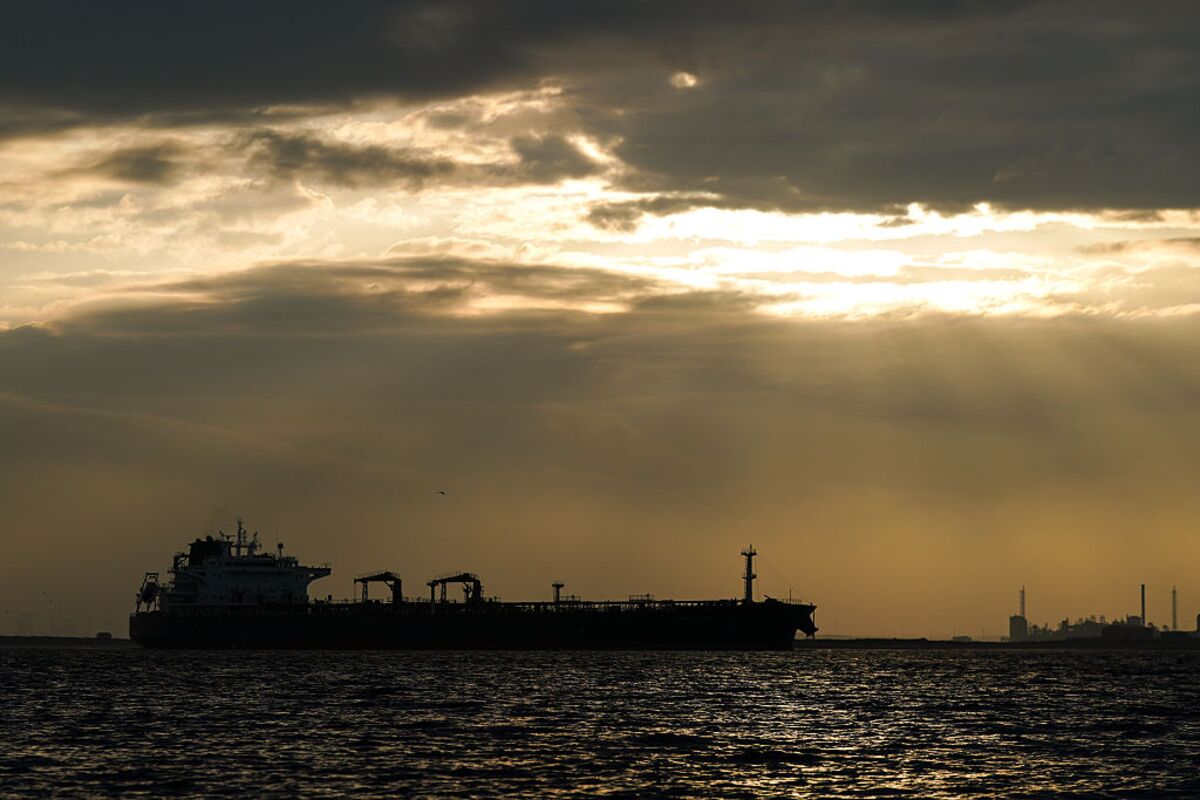
Title: HORMUZ TRACKER: China-Bound LPG Carrier Joins Sparse Transits
In a significant development, a China-bound liquefied petroleum gas (LPG) carrier has successfully navigated the increasingly perilous Strait of Hormuz, marking a rare transit amid ongoing disruptions. This event comes as the strait, a critical maritime corridor, has seen a drastic reduction in shipping traffic linked to Iran over the past month, raising concerns about regional stability and the global energy supply chain.
The Strait of Hormuz is a vital chokepoint for oil and gas shipments, accounting for approximately 20% of global petroleum trade. In recent weeks, tensions in the region have escalated due to geopolitical conflicts and military maneuvers, leading to heightened risks for vessels operating in these waters. The arrival of the LPG carrier is a notable exception in a landscape that has otherwise been characterized by caution and significant delays for Iran-related shipping.
Historically, the Strait has been a flashpoint for international tensions, particularly between Iran and Western nations. The current situation echoes previous crises, where shipping routes were threatened by military actions or sanctions. With the recent carrier's transit, there are questions about whether this indicates a possible easing of tensions or simply a one-off occurrence in an otherwise fraught maritime landscape.
The implications of this reduced shipping traffic are profound. Not only does it affect global energy prices, but it also raises questions about the security of maritime routes in an era of geopolitical instability. Should this trend continue, energy markets may experience volatility, and countries reliant on Middle Eastern oil could face supply chain challenges.
Analysts are closely monitoring the situation, as the movement of this LPG carrier could influence future shipping decisions. Furthermore, the potential for increased naval activity in the region may either deter further transits or escalate tensions, leading to a more significant military presence in the waters.
In comparing this incident to previous disruptions in maritime traffic, such as the 2019 tanker attacks, it's evident that the dynamics of shipping through the Strait are increasingly complex. Experts suggest that the interplay between military readiness and diplomatic negotiations will be crucial in determining the future of shipping routes.
Key Takeaways:
- Key Fact: The Strait of Hormuz sees around 20% of the world’s oil trade passing through it.
- What Changed: Ship traffic has drastically decreased, with only a few Iran-linked vessels operating in the last month.
- What to Watch: Monitor maritime security developments and potential naval escalations in the region over the next 24 hours.
- Practical Implication: Companies reliant on Middle Eastern energy sources should prepare for possible supply chain disruptions and price fluctuations.
- Related Trend: Increased geopolitical tensions are reshaping global shipping routes and energy markets, emphasizing the need for diversification in energy sourcing.
Original source: Bloomberg
How this was produced: AI-assisted synthesis from cited source, filtered for duplication and low-value rewrites by TxtFeed quality rules.




Comments
No comments yet. Be the first to share your thoughts.