Apple Succession Plan Emerges as Company Turns 50
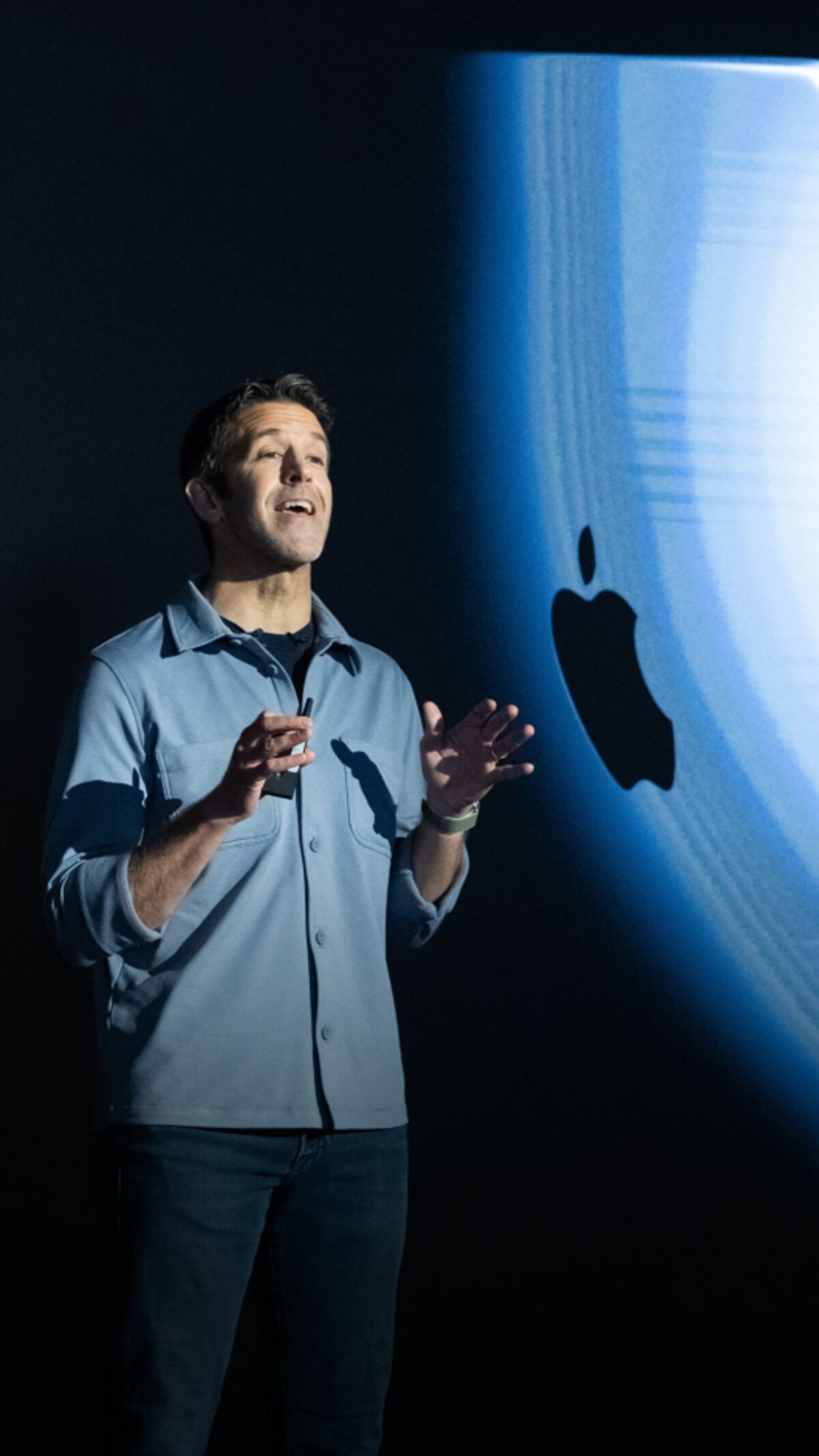
As Apple celebrates its 50th anniversary, a pivotal moment in its corporate history is unfolding: the potential succession of its CEO. Recent interviews with insiders have indicated that John Ternus, currently serving as the Senior Vice President of Hardware Engineering, is emerging as the frontrunner to lead the tech giant into its next chapter. This development carries significant implications for both Apple’s operational strategy and its market positioning as it navigates a rapidly evolving technology landscape.
Ternus, who has been with Apple for nearly two decades, has played a key role in the development of groundbreaking products, including the iPhone and MacBook. His extensive experience in hardware engineering positions him uniquely to uphold Apple’s reputation for innovation while potentially steering the company towards greater sustainability and diversification in its product lines. The internal discussions regarding succession come at a time when Apple is facing increased competition from rivals like Samsung and Google, emphasizing the need for strong leadership.
The timing of this revelation is crucial. With the tech industry experiencing a seismic shift towards artificial intelligence, smart home integration, and augmented reality, the next CEO will need to be adept at not only maintaining Apple’s core business but also pivoting towards these new opportunities. As Tim Cook’s tenure raises questions about the future direction of Apple, Ternus’s leadership could signal a more engineering-focused approach, potentially prioritizing product innovation over market expansion strategies that have characterized the company’s previous leadership.
The broader implications of this potential succession extend beyond just Apple. As one of the most valuable companies in the world, Apple’s leadership decisions can influence market trends, investor confidence, and even the direction of technology development globally. A shift in leadership could prompt other tech giants to reevaluate their own succession plans and corporate strategies, creating a ripple effect across the industry.
Looking at historical precedents, Apple’s leadership transitions have often led to significant shifts in company culture and product focus. For instance, Steve Jobs’s return in 1997 marked a transformative era for Apple, characterized by innovative product launches and a resurgence in brand loyalty. Analysts are watching closely to see if Ternus can replicate that kind of impact, especially given the changing demands of consumers and technological advancements.
In the next 24 hours, analysts will be keen to see if Apple releases any official statements regarding the leadership transition or if further insights about Ternus’s vision for the company will be shared. This clarity could influence stock prices and investor sentiment as the market reacts to the potential leadership change.
Key Takeaways:
- Key Fact: John Ternus is considered the leading candidate for Apple's CEO position, given his two decades of experience with the company.
- What Changed: The discussion around succession has intensified as Apple marks its 50th anniversary, suggesting a shift in leadership focus.
- What to Watch: Expect updates from Apple regarding leadership decisions and Ternus's vision for the company in the coming days.
- Practical Implication: Investors and consumers alike should consider how changes in leadership may impact Apple's product offerings and market strategy.
- Related Trend: This potential succession reflects a broader trend of technology companies reevaluating their leadership structures in response to rapid industry changes.
Original source: Bloomberg
How this was produced: AI-assisted synthesis from cited source, filtered for duplication and low-value rewrites by TxtFeed quality rules.





Comments
No comments yet. Be the first to share your thoughts.