Title: Iran Conflict Could Backfire: Expert Warns
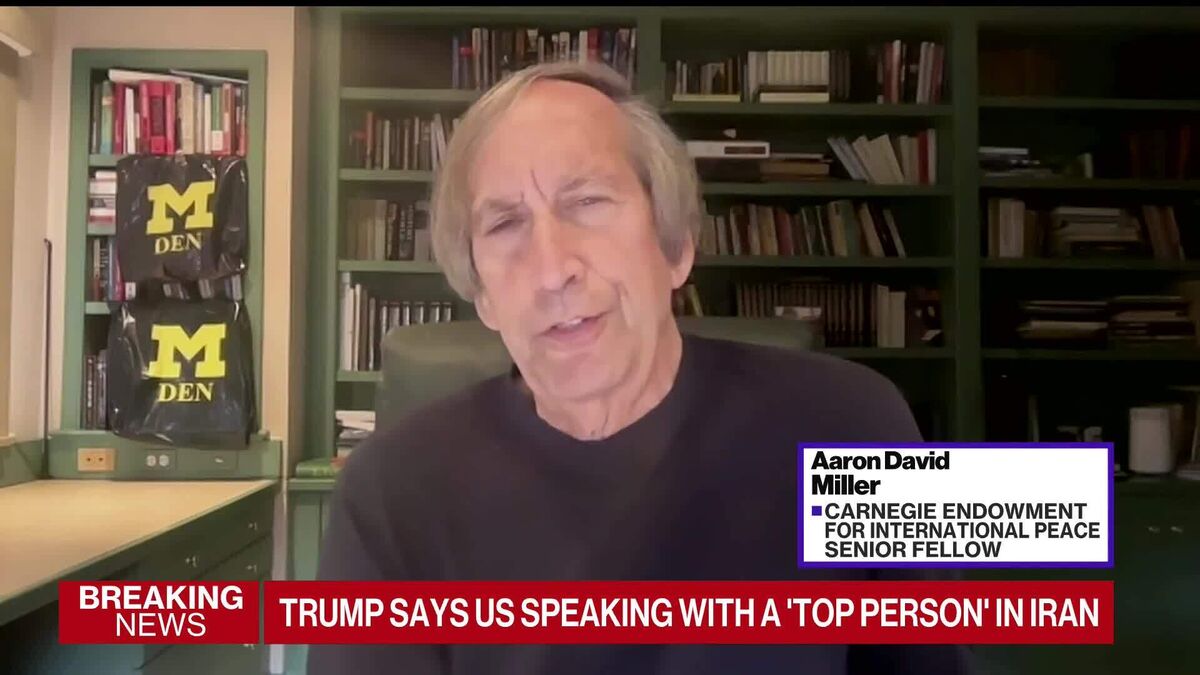
In a significant development, Aaron David Miller, a seasoned former State Department insider, has challenged President Trump's assertion that Iran was mere weeks away from acquiring a nuclear weapon. Miller's insights, shared in a recent Bloomberg article, cast doubt on the credibility of the administration's narrative, suggesting that the ongoing tensions could inadvertently accelerate Iran's nuclear ambitions rather than contain them.
Miller's critique comes at a time when the geopolitical landscape is increasingly volatile. The Trump administration has positioned its approach to Iran as a necessary measure to safeguard national and global security, framing military action as a deterrent against nuclear proliferation. However, Miller argues that such strategies may lead to unintended consequences, potentially driving Iran closer to actualizing its nuclear capabilities. This perspective is crucial, especially as the international community grapples with the complexities of nuclear diplomacy.
The significance of Miller's warning cannot be overstated. As negotiations and sanctions continue to shape the discourse surrounding Iran, the potential for miscalculation looms large. The current trajectory suggests a heightened risk of escalation, which could destabilize not only the region but also global markets and alliances. Experts have long warned that aggressive posturing may provoke Iran into a corner, pushing it to prioritize its nuclear program as a means of self-defense.
Why does this matter now? The geopolitical stakes are higher than ever. With ongoing tensions in the Middle East and a shifting balance of power, the implications of a nuclear-armed Iran extend far beyond its borders. A nuclear Iran could embolden other regional players, potentially igniting a new arms race and undermining existing non-proliferation frameworks. Miller's insights serve as a reminder that a recalibration of strategy may be necessary to avert a crisis.
Examining historical parallels, similar situations have occurred in the past where military pressure led to unintended advancements in enemy capabilities. The North Korean nuclear program, for example, accelerated under external threats, illustrating the risks associated with a confrontational approach. Experts suggest that diplomatic engagement, rather than military action, could yield more favorable outcomes in complex geopolitical scenarios.
In the next 24 hours, observers should watch for statements from U.S. officials regarding Iran's nuclear activities and responses from Tehran. The international community is likely to weigh in, and any signs of renewed diplomatic efforts or escalations could significantly impact the current landscape.
Key Takeaways:
- Key Fact: Aaron David Miller contests the Trump administration's claim that Iran was weeks away from a nuclear weapon, calling it “not credible.”
- What Changed: The narrative around Iran's nuclear capabilities is shifting from immediate threat perception to concerns about escalation.
- What to Watch: Expect potential U.S. responses and Iran's reactions in the coming day, as diplomatic tensions remain high.
- Practical Implication: Readers should stay informed on the evolving diplomatic landscape, as it may impact global markets and security policies.
- Related Trend: The situation reflects a broader trend of skepticism towards aggressive foreign policy tactics in favor of diplomatic solutions.
Original source: Bloomberg
How this was produced: AI-assisted synthesis from cited source, filtered for duplication and low-value rewrites by TxtFeed quality rules.





Comments
No comments yet. Be the first to share your thoughts.