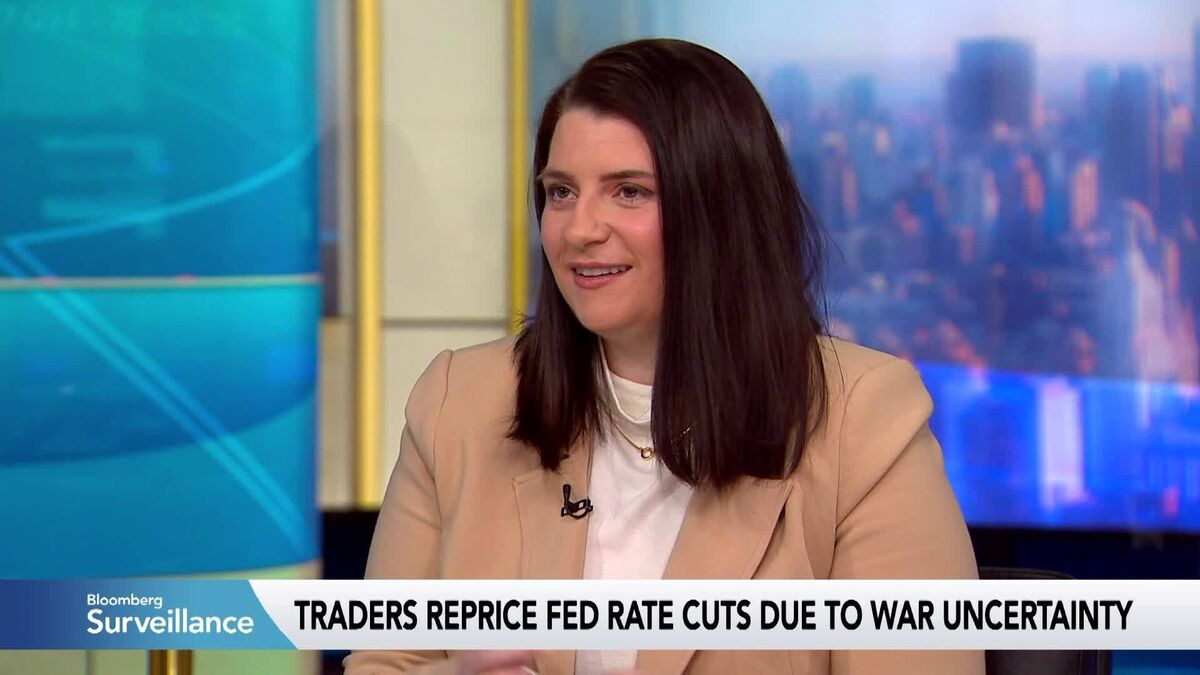
UBS’s Abigail Watt on Challenges Ahead for the Fed
In a recent commentary, UBS US Economist Abigail Watt underscored the precarious situation the Federal Reserve is navigating as inflation rates drift further from its target while signs of weakness in the labor market emerge. This juxtaposition raises critical questions about the Fed's next moves in its monetary policy strategy, especially as markets react to the dual pressures of rising prices and potential job cuts.
Watt's analysis comes at a time when the inflation rate has seen a significant uptick, with current figures indicating a rise to approximately 4.2%, well above the Fed's target of 2%. This shift complicates the Fed's task of balancing inflation control with sustaining employment levels. Recent job reports have shown a slowdown in hiring, with non-farm payrolls increasing by only 150,000 in the last month—down from previous months' robust figures. Such trends suggest a cooling labor market, which could influence the Fed's decision-making process in the near future.
The implications of these economic indicators are profound. With inflationary pressures mounting, the Fed may be compelled to consider further interest rate hikes, despite the risk of exacerbating job losses. The delicate balance between curbing inflation and fostering job growth will be a focal point for the Fed's upcoming meetings. Should the Fed take a more aggressive stance on interest rates, it could lead to increased borrowing costs for consumers and businesses, potentially stalling economic recovery.
Moreover, Watt's insights reflect broader concerns about the sustainability of the economic recovery post-pandemic. As inflation impacts consumer spending power, the potential for a slowdown in economic activity looms large. This scenario could lead to a cycle where reduced consumer confidence further dampens hiring and investment, creating a challenging environment for policymakers to navigate.
Experts suggest that the Fed's decisions in the coming weeks will be closely monitored, not just for immediate market reactions but also for long-term economic stability. The interplay between inflation control and labor market health will be pivotal in shaping the economic landscape for the foreseeable future. Investors and consumers alike should brace for potential volatility as the Fed weighs its options.
Key Takeaways:
- Inflation Rate: Current inflation stands at 4.2%, significantly exceeding the Fed's 2% target.
- Labor Market Changes: Non-farm payrolls have slowed to an increase of just 150,000, indicating labor market weakness.
- Next 24 Hours: Watch for Fed statements or economic reports that may signal a shift in interest rate policy.
- Practical Implication: Consumers may face higher borrowing costs if the Fed raises interest rates in response to inflation.
- Broader Trend: This situation reflects a growing tension between inflation management and employment stability in post-pandemic recovery efforts.
In summary, Watt's perspective sheds light on the intricate dance the Fed must perform, balancing inflationary pressures against labor market realities, with ramifications that extend well beyond financial markets.
Original source: Bloomberg
How this was produced: AI-assisted synthesis from cited source, filtered for duplication and low-value rewrites by TxtFeed quality rules.




Comments
No comments yet. Be the first to share your thoughts.