US Set to Deploy Airborne Troops to the Middle East Amid Heightened Tensions with Iran
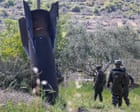
In a significant escalation of military readiness, the United States is preparing to send airborne troops to the Middle East, coinciding with intensified Iranian strikes on Israeli and American targets. This move comes just as President Donald Trump asserts that negotiations with Iran are underway, raising questions about the viability of diplomatic resolutions in the face of growing hostilities. The juxtaposition of military action and diplomatic claims underscores the precarious balance the US is attempting to maintain in a region fraught with conflict.
The backdrop of this development includes recent Iranian missile strikes targeting Israeli cities like Tel Aviv and Kiryat Shmona, as well as US military installations in Kuwait, Jordan, and Bahrain. These assaults, confirmed by Iran's Revolutionary Guards, have heightened security concerns across the region. Notably, a drone attack at Kuwait International Airport resulted in a significant fire, further illustrating the escalating danger posed by Iranian operations. The US's potential decision to deploy troops signals a serious commitment to countering Iranian aggression.
Trump's assertion of "very good" talks with Iran, purportedly facilitated through a 15-point negotiation plan delivered via Pakistan, adds complexity to the situation. However, Iranian officials have publicly denied any current negotiations, creating a stark contrast between US diplomatic rhetoric and Iran's military actions. This situation raises critical questions about the effectiveness of US diplomacy and the potential for a broader military engagement.
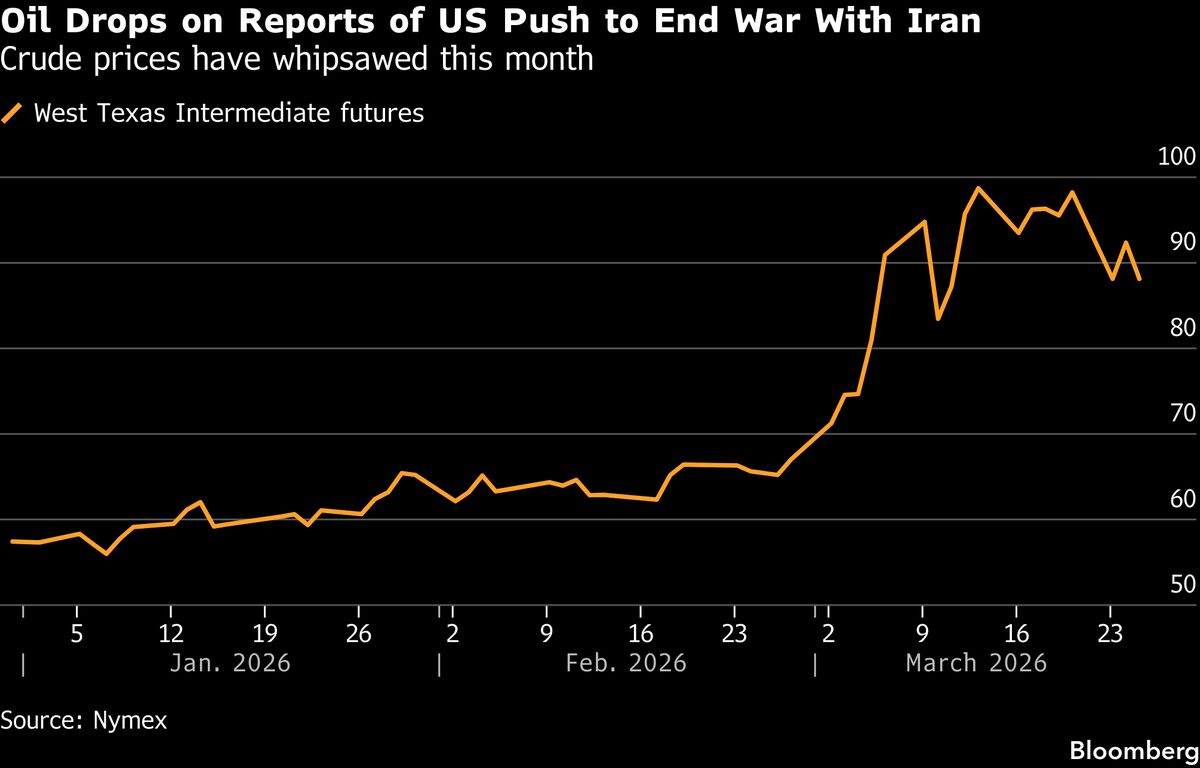
The implications of this situation are profound and multifaceted. If the US follows through on troop deployment, it may alter the strategic calculus for Iran and its allies. A more pronounced military presence could deter further Iranian aggression or, conversely, provoke a stronger response from Tehran. The ongoing conflict could spiral into a larger confrontation, affecting global oil markets and international relations, particularly among Gulf states.
Experts warn that the current trajectory suggests a potential escalation into a wider conflict, reminiscent of previous US interventions in the Middle East. Historical parallels can be drawn to the Gulf War in the early 1990s, where miscalculations and miscommunications led to prolonged military engagements. Analysts are closely monitoring the situation to see if diplomatic efforts can reconcile the growing rift or if military options will take precedence.
Key Takeaways:
- The US is preparing to deploy airborne troops to the Middle East, coinciding with increased Iranian attacks.
- Iran's Revolutionary Guards have launched strikes against Israeli and US positions, raising security concerns.
- President Trump's claims of negotiations contrast sharply with Iran's denial of ongoing talks.
- The potential troop deployment could alter the strategic landscape in the region.
- Observers are drawing comparisons to historical US military engagements, emphasizing the high stakes involved.
What to Watch:
1. The US troop deployment could involve up to 1,500 personnel, a significant increase in military presence.
2. The shift from diplomatic negotiations to military readiness marks a crucial change in US strategy.
3. Watch for immediate developments over the next 24 hours, especially any Iranian military responses.
4. For readers, understanding the implications of these developments is crucial for grasping potential impacts on global markets and security.
5. This situation reflects a broader trend of increasing military posturing in response to aggressive state actions.
Original source: Guardian World
How this was produced: AI-assisted synthesis from cited source, filtered for duplication and low-value rewrites by TxtFeed quality rules.





Comments
No comments yet. Be the first to share your thoughts.