
After ‘Sausage Making,’ European Lawmakers Approve U.S. Trade Deal
In a significant development for transatlantic relations, European lawmakers have officially approved a vital trade deal with the United States, marking a pivotal moment in global trade dynamics. This agreement promises to enhance economic cooperation and reduce tariffs on various goods, fostering a more integrated market between the two economic powerhouses. The approval comes after lengthy negotiations, often described as “sausage making,” highlighting the complex and sometimes messy nature of trade diplomacy.
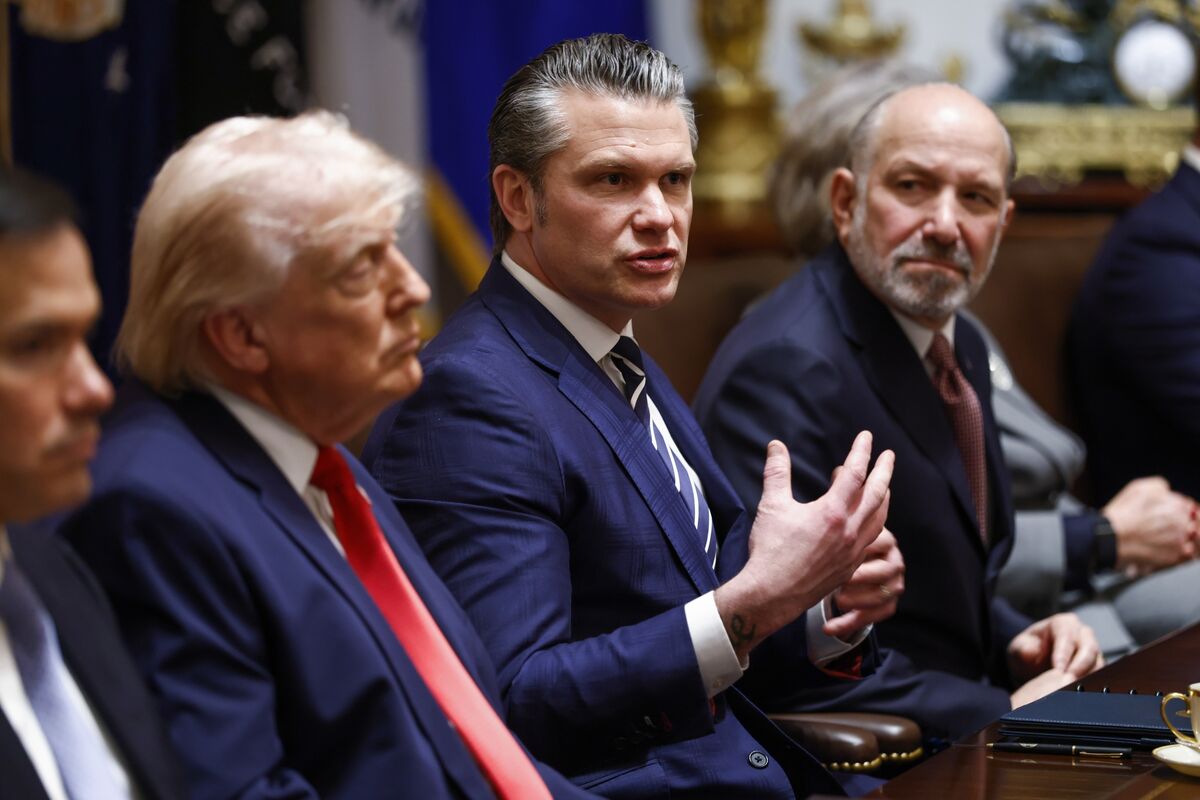
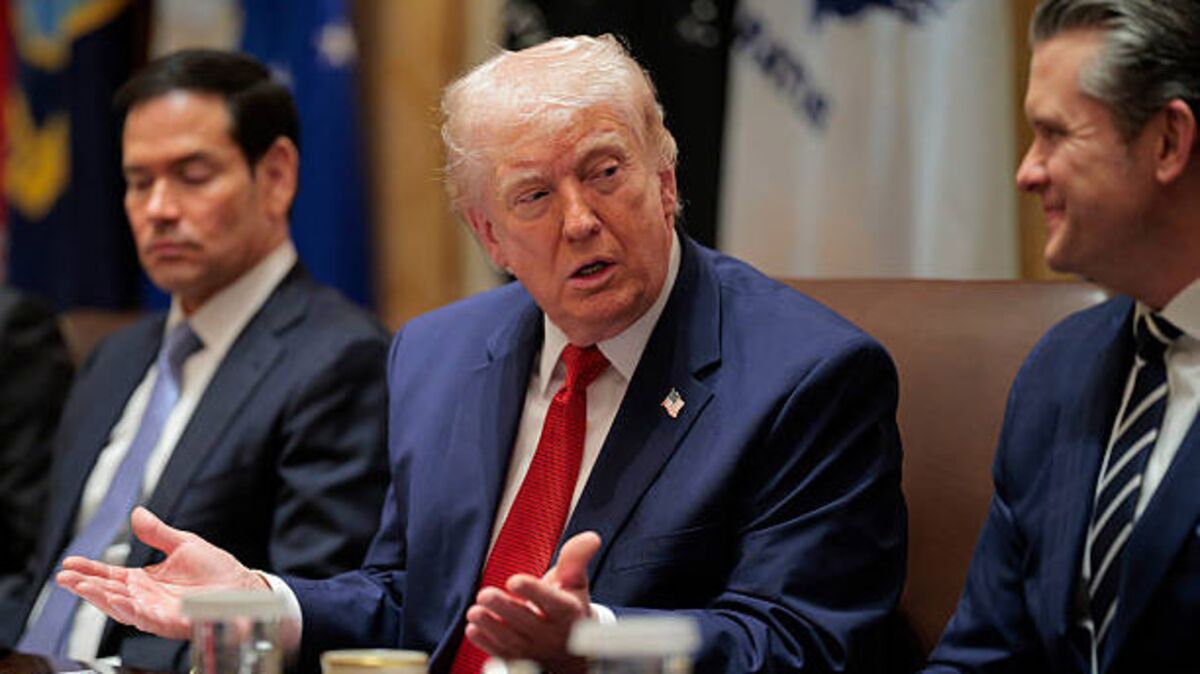
The trade deal, which President Trump initially negotiated, faced numerous obstacles, including concerns over regulatory standards and environmental protections. However, with the recent approval by the European Parliament, these issues have been largely addressed, paving the way for smoother trade relations. The deal is expected to lower tariffs on American agricultural products and increase European exports of industrial goods, thus benefiting both economies.
Why does this matter now? The urgency of this agreement is underscored by the current global economic climate, which has been impacted by rising inflation and supply chain disruptions. By fostering stronger trade ties, both the U.S. and the EU are positioning themselves to counterbalance economic pressures and enhance their competitive edge in the global market. Furthermore, this deal signals a commitment to collaboration amidst rising protectionist sentiments in various countries.
The implications extend beyond mere economics; this trade agreement could reshape diplomatic relations and influence future policies on trade and regulations. Experts suggest that a successful implementation of this deal might encourage other nations to pursue similar agreements, potentially leading to a new era of international trade cooperation. Additionally, this agreement may serve as a template for future dialogues on trade, setting a precedent for how regulatory differences can be reconciled.
Looking at the broader picture, comparisons can be drawn to previous trade agreements, such as NAFTA and the USMCA, which transformed trade relationships in North America. However, this deal stands out due to the scale of economic integration it promises between the U.S. and the EU, which collectively represent a significant portion of global GDP. Industry analysts are closely watching how this agreement will affect sectors like agriculture and manufacturing, particularly in light of ongoing geopolitical tensions.
In conclusion, as this trade deal takes effect, the next 24 hours will be crucial for stakeholders in both regions. Businesses and consumers alike should remain vigilant about the potential changes in pricing and availability of goods. The trade landscape is shifting, and this agreement is a key piece in the puzzle of global economic strategy.
Key Takeaways:
- The European Parliament approved a U.S. trade deal aimed at reducing tariffs and enhancing economic cooperation.
- This deal follows months of negotiations, which addressed regulatory and environmental concerns.
- What to watch: Implementation details and market reactions in the next 24 hours.
- Practical implications include potential changes in pricing for consumers and businesses across the Atlantic.
- This agreement reflects a broader trend towards increased international trade cooperation amidst economic challenges.
Original source: NYTimes World
How this was produced: AI-assisted synthesis from cited source, filtered for duplication and low-value rewrites by TxtFeed quality rules.




Comments
No comments yet. Be the first to share your thoughts.