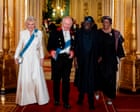
Nigeria Takes Its Place on World Stage in Quest to Become Regional Superpower
In a significant diplomatic move, Nigerian President Bola Tinubu met with King Charles III during a state banquet in the UK, marking a pivotal moment in the relationship between Nigeria and the United Kingdom. This event underscores Nigeria's ambition to solidify its role as a regional superpower in Africa while simultaneously enhancing trade and economic ties with one of its historical partners. As calls for reparative justice grow louder from African and Caribbean nations, this meeting signals a dual approach of acknowledging historical grievances while focusing on future collaboration.
The context of this meeting is steeped in a complex history. King Charles acknowledged the "painful marks" left by colonialism and transatlantic slavery, a reminder of the shared past that still reverberates in contemporary politics. This year is particularly crucial, as it is expected to see renewed pressure on the royal family for a formal apology regarding Britain's colonial actions. Nevertheless, both nations are keen on redirecting the conversation towards economic cooperation, recognizing Nigeria's burgeoning market and its potential as a trade hub in West Africa.
The significance of this diplomatic engagement cannot be understated. Nigeria, with its population exceeding 200 million and its status as Africa's largest economy, is positioning itself to be a leader not just in regional politics but in global trade. The UK, on the other hand, is looking to expand its trade partnerships post-Brexit, and Nigeria presents a promising opportunity. As both nations navigate their historical complexities, they are also setting the stage for a new era of economic alliance that could reshape trade dynamics in the region.
This development matters now more than ever as global economic landscapes shift. With increasing calls for reparative justice, the UK faces pressure to not only acknowledge its colonial past but to also engage constructively with nations such as Nigeria. The potential for economic collaboration could provide a pathway for both countries to address historical grievances while fostering a mutually beneficial relationship. As Nigeria seeks to assert its influence on the world stage, the outcome of these discussions could have lasting implications for trade policies and diplomatic relations.
Experts suggest that the strengthening of ties between Nigeria and the UK may serve as a model for future partnerships between African nations and Western countries. This relationship could inspire similar engagements across the continent, where nations are increasingly looking to assert their economic independence and influence. As Nigeria embarks on this journey, it may encourage other African nations to seek equitable partnerships that prioritize mutual growth over historical injustices.
Key Takeaways:
- Key Fact: Nigeria, with over 200 million people, is Africa's largest economy and a critical player in the continent's future.
- What Changed: The focus has shifted from historical grievances to future economic collaboration, marking a new chapter in Nigeria-UK relations.
- What to Watch: In the next 24 hours, observe the reactions from African nations regarding this meeting and any potential announcements on trade agreements.
- Practical Implication: For readers interested in international business, this could signal new trade opportunities emerging from Nigeria's strengthened ties with the UK.
- Related Broader Trend: This meeting reflects a growing trend of African countries seeking to redefine their relationships with former colonial powers, focusing on economic partnerships rather than historical reparations alone.
By analyzing this evolving relationship, readers can gain insight into how Nigeria is maneuvering to establish itself as a key player on the global stage, balancing its historical context with a forward-looking economic agenda.
Original source: Guardian World
How this was produced: AI-assisted synthesis from cited source, filtered for duplication and low-value rewrites by TxtFeed quality rules.





Comments
No comments yet. Be the first to share your thoughts.