Title: Tensions Rise in the Middle East as Trump Claims Iran is ‘Begging’ for a Deal
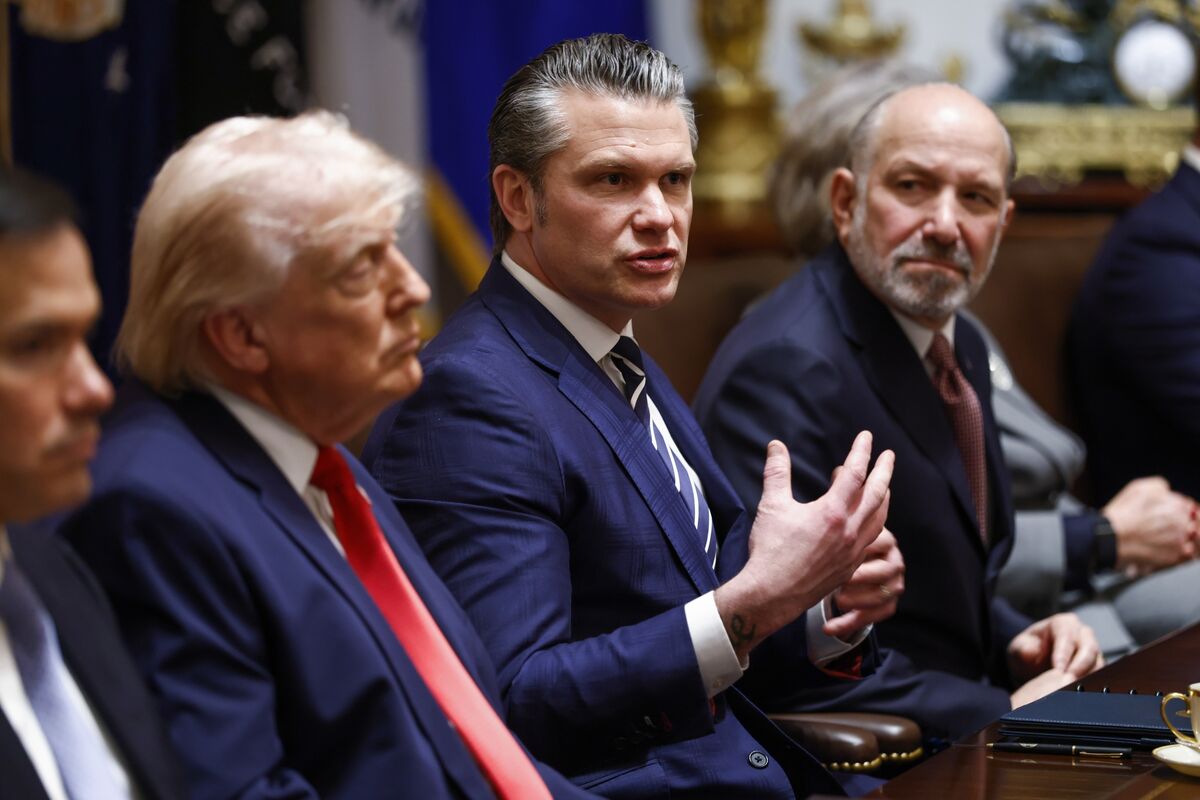
In a striking cabinet meeting, U.S. President Donald Trump asserted that Iran is "begging to make a deal," amid escalating tensions in the Middle East. This statement comes on the heels of Iran’s recent actions regarding oil tankers in the Strait of Hormuz, a critical passage for global oil transportation. Trump's remarks signal a potential shift in diplomatic dynamics, as the U.S. continues to navigate its relationship with Iran and its allies while addressing concerns over military buildups in the region.
The backdrop of this situation is complex. Iran has been increasingly assertive in the Strait of Hormuz, a vital waterway through which approximately 20% of the world's oil passes. In a recent statement, Iranian envoy Saeed Khuzechi indicated that South Korean ships can only transit through the strait after coordinating with Tehran, suggesting a tightening grip on maritime navigation. This comes as the U.S. has ramped up its military presence in the region, raising alarms about the potential for conflict.
Why does this matter now? The geopolitical landscape is shifting rapidly, with the U.S. and Iran both testing the waters for diplomatic engagement while simultaneously preparing for escalation. The implications of Trump's comments could be significant, potentially indicating a willingness to negotiate, albeit from a position of strength. However, experts warn that military buildups rarely lead to peaceful resolutions, suggesting that the current rhetoric may be more about posturing than genuine peace efforts.
In exploring the broader implications, it's essential to consider the potential impact on global oil markets. Any disruption in the Strait of Hormuz could send oil prices soaring, affecting economies worldwide. Furthermore, Trump's comments may reflect a strategy to rally support from allies in Europe and Asia, who have been increasingly concerned about Iran's influence and military capabilities.
Comparatively, this situation echoes past U.S.-Iran negotiations that have oscillated between confrontation and diplomacy. Experts point to the 2015 nuclear deal as a reference point, where both sides initially found common ground before diverging into hostility. The current environment, however, is fraught with heightened tensions, making any potential agreements precarious.
As we navigate the next 24 hours, all eyes will be on Iran's response to Trump's comments and whether any tangible diplomatic efforts will emerge. The situation remains fluid, and developments could rapidly alter the current trajectory.
Key Takeaways:
- Trump claims Iran is eager for negotiations, signaling a potential diplomatic shift.
- Iran's envoy states coordination is required for South Korean vessels to pass through Hormuz.
- The U.S. military presence in the region remains heightened, raising concerns of conflict.
- Watch for Iran's immediate response to Trump's comments and any emerging agreements.
- The situation reflects a broader trend of fluctuating U.S.-Iran relations, with significant implications for global oil markets.
This summary underscores the ongoing complexities in Middle Eastern geopolitics while providing actionable insights for readers who are keen to stay informed on this critical issue.
Original source: Guardian World
How this was produced: AI-assisted synthesis from cited source, filtered for duplication and low-value rewrites by TxtFeed quality rules.




Comments
No comments yet. Be the first to share your thoughts.