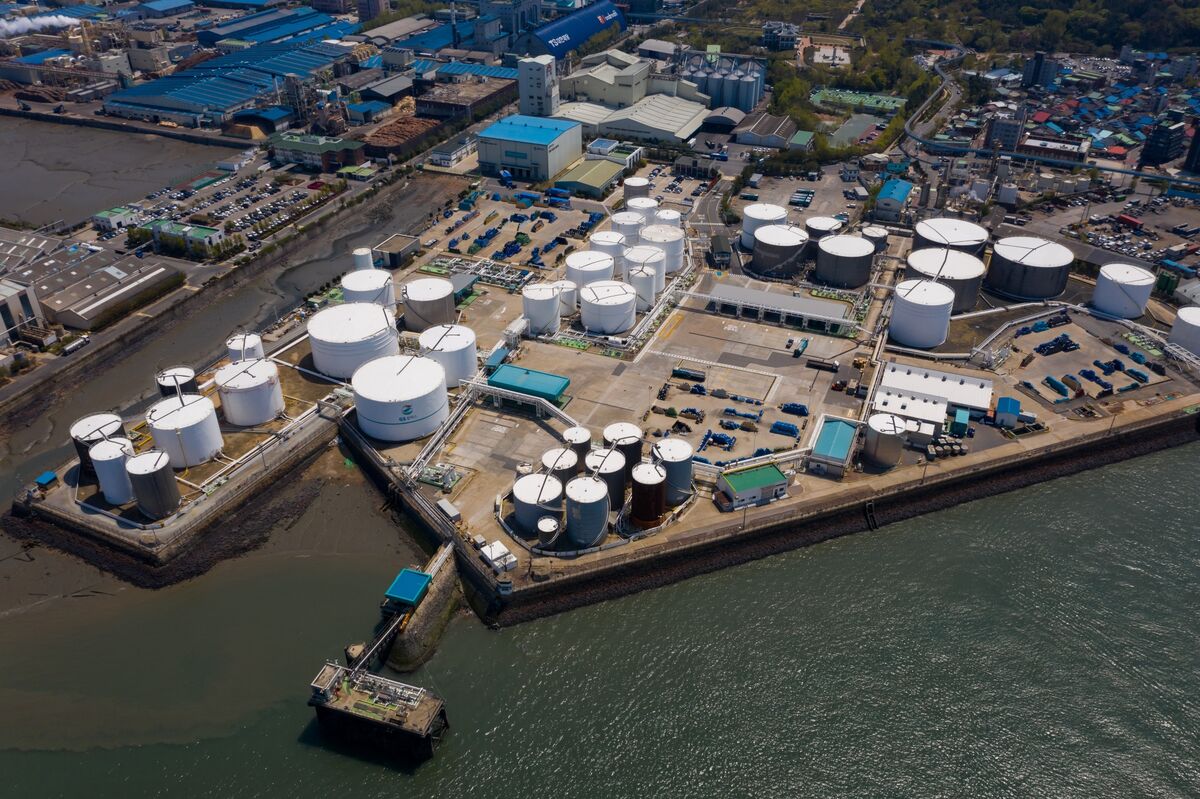
Title: Asian Refiners Scour the World for Oil With Hormuz Flows Halted
Asia’s oil refiners are currently engaged in an urgent search for crude supplies from outside the Middle East, driven by a near-complete halt in shipping through the crucial Strait of Hormuz. This strategic chokepoint is responsible for around 20% of the world’s oil supply, and disruptions here can have immediate repercussions on global energy markets. The current instability has forced refiners to explore alternative sources, highlighting vulnerabilities in the region’s energy supply chain.
The Strait of Hormuz has long been a focal point for geopolitical tensions, with its significance underscored by recent escalations in military activities and trade disputes. As the situation unfolds, Asian refiners are looking to countries like West Africa, the United States, and even Russia to bolster their crude oil inventories. Reports indicate that some refiners are paying premiums for non-Middle Eastern crude to secure shipments, reflecting the urgency of their efforts. The ripple effects of these supply shifts are likely to impact global oil prices, which could rise as demand outstrips available supply.
The implications of this scramble for oil are multifaceted. For Asian economies, which are heavily dependent on stable energy supplies, the disruption could lead to increased costs for consumers and businesses alike. Additionally, countries that depend on oil exports may find themselves in a position to negotiate better terms, altering the dynamics of global oil trade. This situation serves as a stark reminder of how geopolitical events can rapidly reshape energy markets, prompting refiners to rethink their sourcing strategies.
As the situation develops, industry experts are closely monitoring the potential for further disruptions in the Strait of Hormuz, which could lead to heightened tensions in the region. Some analysts suggest that this may prompt Asian countries to invest more in energy diversification strategies, reducing their reliance on Middle Eastern oil in the long term. Additionally, alternative energy sources and investments in renewables may gain traction as nations seek to insulate themselves from future supply shocks.
In summary, the current crisis is not just a momentary blip; it represents a significant shift in how Asian refiners source their crude oil and could herald a longer-term change in global energy dynamics. With the potential for escalating prices and supply chain disruptions, stakeholders across the energy sector are bracing for the impact.
Key Takeaways:
- Asian refiners are increasingly sourcing crude from outside the Middle East due to a halt in shipments through the Strait of Hormuz.
- The Strait is critical for global oil supply, accounting for approximately 20% of it, and disruptions could lead to rising oil prices.
- Watch for developments in the next 24 hours regarding military and shipping activities in the Strait of Hormuz.
- Consumers may face higher energy costs as refiners seek alternatives, impacting everything from gasoline prices to manufacturing costs.
- This event reflects a broader trend of energy diversification as nations seek to mitigate risks associated with geopolitical tensions.
Original source: Bloomberg
How this was produced: AI-assisted synthesis from cited source, filtered for duplication and low-value rewrites by TxtFeed quality rules.






Comments
No comments yet. Be the first to share your thoughts.