Title: Charges Dropped Against Woman in Anti-ICE Church Protest Over Mistaken Identity
In a significant turn of events, federal prosecutors have dropped charges against Heather Danae Lewis, a Minnesota woman initially implicated in a high-profile January protest against Immigration and Customs Enforcement (ICE) at a St. Paul church. This decision comes after evidence revealed that Lewis did not attend the protest, which had already garnered attention due to its controversial nature and the involvement of 30 other protesters charged with civil rights violations for allegedly disrupting a religious service.
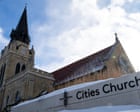
The protest, held at Cities Church, was part of a broader movement opposing ICE's immigration enforcement practices. Participants aimed to raise awareness about the impact of these policies on immigrant communities. Lewis's case, however, highlights the complexities and potential pitfalls of legal accountability in mass protests, where individuals can be mistakenly identified or misattributed roles in events. The charges against her were part of a larger federal crackdown on protest-related activities, which some critics argue has chilling effects on free speech and assembly.
The immediate implications of this case extend beyond Lewis herself. As the charges against her were dismissed, questions arise about the criteria used by federal authorities to identify and charge individuals during protests. The broader context of these events suggests a growing tension between law enforcement and activist movements, especially those centered on immigration issues. The fact that a known media figure, Don Lemon, was also among the charged adds layers of complexity, as it raises concerns about the treatment of journalists covering contentious issues.
As the legal landscape surrounding civil rights and protest-related incidents evolves, the dropping of charges against Lewis serves as a crucial moment for advocates of free speech. It underscores the need for transparency and accuracy in law enforcement practices, particularly regarding who is held accountable in protests that disrupt public order. This could potentially embolden other activists, knowing there is a legal precedent for challenging wrongful charges.
Experts in civil rights law note that this incident reflects a broader trend of increased scrutiny on the actions of law enforcement during protests. Comparisons can be drawn with similar protests across the United States, where legal repercussions have often been met with public outcry and demands for reform. The handling of such cases will likely influence future protests and the strategies employed by both activists and law enforcement.
Key Takeaways:
- Federal prosecutors dropped charges against Heather Danae Lewis after confirming she did not attend the January protest.
- The case raises questions about the accuracy of protestor identification and accountability in civil rights-related cases.
- The involvement of a well-known media figure, Don Lemon, complicates the narrative around the treatment of journalists at protests.
- Moving forward, expect increased advocacy for transparency in law enforcement's handling of protest-related incidents.
- This case reflects a broader trend of legal challenges faced by protestors and the implications for civil rights movements nationwide.
Original source: Guardian World
How this was produced: AI-assisted synthesis from cited source, filtered for duplication and low-value rewrites by TxtFeed quality rules.






Comments
No comments yet. Be the first to share your thoughts.