Title: Fed's Hawkish Pivot: Insights from BlackRock's Rosenberg
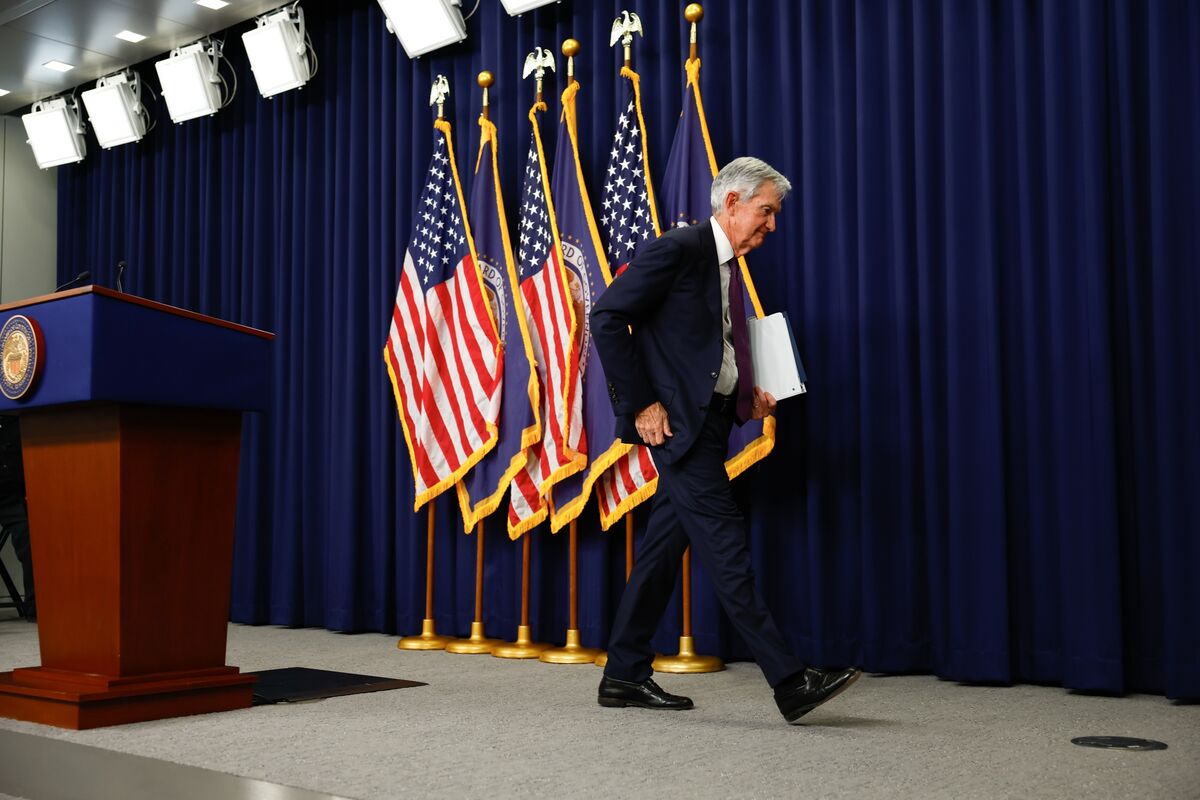
In a significant shift that could reverberate through financial markets, Jeffrey Rosenberg, a portfolio manager at BlackRock, pointed to Federal Reserve Chair Jerome Powell’s recent news conference as evidence of a hawkish pivot. This move signals a potential tightening of monetary policy, which could have profound implications for investors and the economy at large.
Rosenberg’s analysis comes on the heels of Powell’s comments indicating a readiness to raise interest rates if inflation continues to outpace expectations. The Fed has maintained a relatively accommodative stance for years, primarily to support economic recovery post-pandemic. However, with inflationary pressures mounting, the central bank’s tone has shifted, suggesting that they may prioritize controlling inflation over supporting growth.
The implications of this pivot are significant. Higher interest rates typically lead to increased borrowing costs, which can dampen consumer spending and slow economic growth. For investors, this means recalibrating portfolios to account for potential volatility in stock markets and reassessing the attractiveness of bonds as yields rise. Rosenberg's insights suggest that investors should brace for potential market corrections as the Fed's actions begin to take effect.
This hawkish turn is particularly relevant now given the current economic climate. With inflation rates hovering near multi-decade highs, the Fed faces mounting pressure to act decisively. The recent consumer price index (CPI) report indicated a year-over-year increase of 8.6%, underscoring the urgency of the Fed's response. As the central bank navigates this complex landscape, its decisions will impact everything from mortgage rates to corporate financing.
Experts are divided on the long-term ramifications of the Fed's tightening measures. Some argue that a proactive approach to inflation could stabilize the economy, while others caution that aggressive rate hikes might trigger a recession. Observers will be keen to watch how the Fed communicates its strategy in the coming days, as clarity will be essential for markets trying to gauge future economic conditions.
As this situation unfolds, Rosenberg's insights offer a crucial perspective. Investors should consider diversifying their portfolios and preparing for a period of increased volatility. Keeping an eye on inflation trends and Fed communications will be essential in the coming weeks.
Key Takeaways:
- Key Fact: Inflation is currently at 8.6% year-over-year, prompting the Fed's hawkish stance.
- What Changed: The Fed's previously accommodative approach is shifting towards tightening monetary policy.
- What to Watch: Monitor upcoming Fed meetings and inflation reports for further guidance on rate hikes.
- Practical Implication: Investors should reassess their portfolios to mitigate risks associated with rising interest rates.
- Related Broader Trend: A growing focus on inflation management is influencing global central bank policies.
Original source: Bloomberg
How this was produced: AI-assisted synthesis from cited source, filtered for duplication and low-value rewrites by TxtFeed quality rules.




Comments
No comments yet. Be the first to share your thoughts.