Title: Trump Escalates Pressure on European Allies Over Strait of Hormuz Security
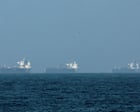
In a bold move that could reshape transatlantic relations, President Donald Trump has intensified calls for European allies to contribute to the security of the Strait of Hormuz. In an exclusive interview with the Financial Times, he emphasized the “appropriate” responsibility of nations that benefit from this vital shipping route, warning that a lack of support could lead to dire consequences for NATO. This development comes at a time when geopolitical tensions in the region are already heightened, underscoring the urgency of collaborative security efforts.
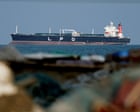
The Strait of Hormuz is a critical chokepoint for global oil supplies, with approximately 20% of the world's oil passing through its waters. Trump's comments reflect a growing concern over Iranian threats to disrupt maritime traffic in the strait, particularly following a series of confrontations in the Persian Gulf. The U.S. has been ramping up military presence in the area, but Trump’s insistence on European involvement signals a shift towards a more collective defense approach, reminiscent of NATO's foundational principles.
Historically, European nations have been cautious in their military engagements in the Middle East, often preferring diplomatic solutions. However, Trump's rhetoric suggests a potential pivot in NATO's operational dynamics, particularly if member states feel the pressure to align more closely with U.S. strategic interests. The implications of this are significant, as NATO's unity faces challenges from both internal divisions and external threats, particularly from Russia and Iran.
Now more than ever, the security of the Strait of Hormuz is not just about oil; it symbolizes broader global security interests. Trump’s warning that NATO's future could be jeopardized if Europe fails to respond adequately raises questions about the alliance's cohesion. As geopolitical stakes rise, European nations must weigh their responses carefully, balancing national interests with collective obligations.
Experts predict that this situation could lead to increased military collaboration between the U.S. and European countries, as well as a reevaluation of defense budgets and strategies across the continent. The urgency of the matter has also sparked discussions about the potential for a multinational naval coalition to secure the strait, which could alter the balance of power in the region.
In the coming days, observers will be monitoring the reactions from European leaders, particularly as they grapple with their own domestic political climates and commitments. The U.S. is likely to seek rapid responses to solidify its stance, which could lead to significant diplomatic engagements or even military maneuvers in the region.
Key Takeaways:
- Trump demands European allies increase security efforts in the Strait of Hormuz, citing NATO's future at stake.
- Approximately 20% of global oil flows through the Strait, making its security vital for economic stability.
- Watch for European leaders' reactions in the next 24 hours, as this could shape NATO's collective defense posture.
- Practical implications include potential shifts in military budgets and strategies across Europe.
- This situation reflects a broader trend of increasing U.S. pressure on allies to share defense responsibilities in strategic regions.
Original source: Guardian World
How this was produced: AI-assisted synthesis from cited source, filtered for duplication and low-value rewrites by TxtFeed quality rules.



Comments
No comments yet. Be the first to share your thoughts.