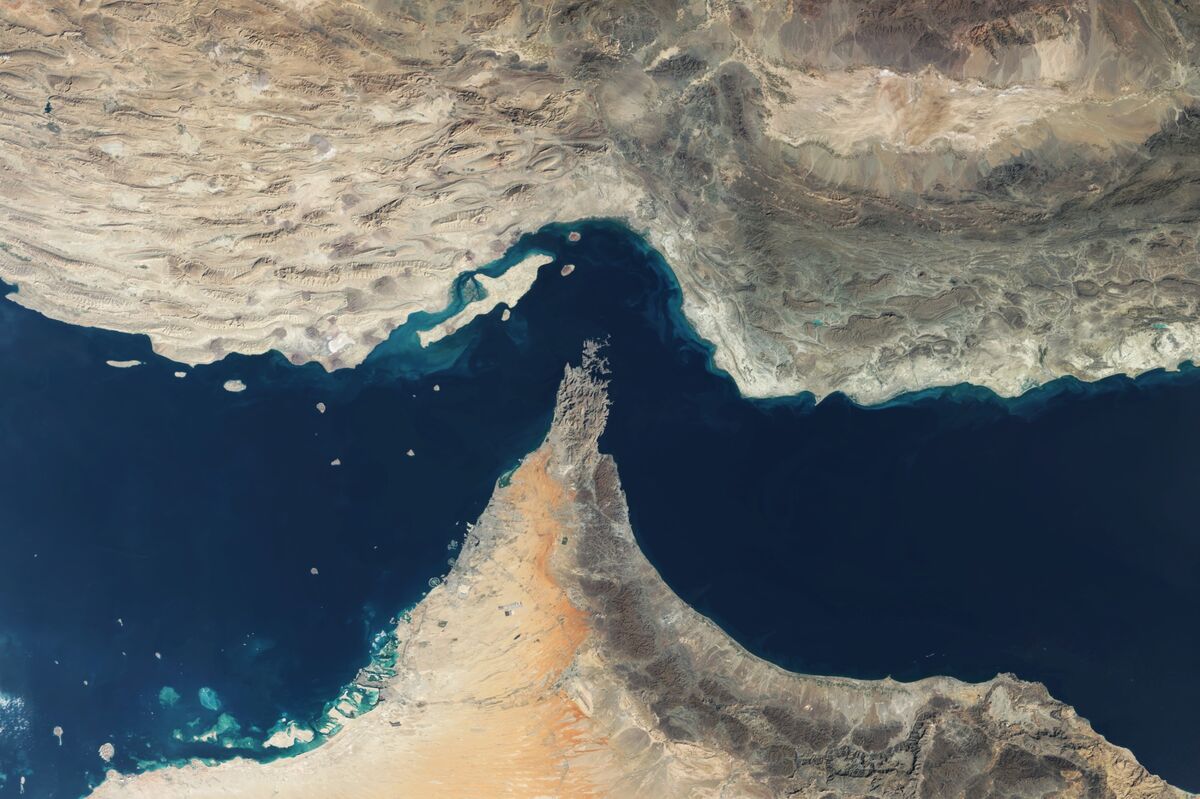
### How Iran Has Effectively Closed the Strait of Hormuz
In a significant escalation of tensions in the Middle East, maritime traffic through the Strait of Hormuz has come to a near-standstill. This strategic chokepoint, responsible for approximately 20% of the world's oil supply, has been severely impacted following recent military strikes by the US and Israel against Iranian targets. The situation poses immediate risks to global energy markets, as oil prices surge amid fears of supply disruptions.
The Strait of Hormuz, a narrow waterway connecting the Persian Gulf to the Arabian Sea, has long been a focal point of geopolitical strife. With Iran's military capabilities bolstered in recent years, the country has effectively implemented measures to control access to this crucial passage. Reports indicate that Iranian naval forces have increased their presence in the area, conducting drills and deploying advanced weaponry, further complicating navigation for commercial vessels.
The implications of this maritime blockade extend beyond immediate supply concerns. As oil prices rise, economies that are heavily reliant on imported energy could face inflationary pressures and potential recessionary risks. Analysts warn that prolonged disruptions could drive up global fuel prices, affecting everything from transportation to consumer goods. The urgency of the situation has prompted international calls for diplomatic solutions, yet the regional power dynamics remain fraught.
The broader context reveals a pattern of escalating confrontations in the region. Similar incidents have occurred in the past, where Iran has used its strategic positioning to exert influence over global energy supplies. With tensions high, the potential for miscalculation remains a concern, as any further military engagement could lead to a wider conflict, drawing in multiple nations and further destabilizing an already volatile region.
Experts suggest that the current situation underscores the vulnerability of global supply chains to geopolitical risks. As nations scramble to secure alternative energy sources, the reliance on Middle Eastern oil is being reevaluated. Countries like the US and those in Europe may accelerate efforts to diversify their energy portfolios, investing more in renewable sources and domestic production to mitigate future risks.
In the coming 24 hours, the international community will be closely monitoring any changes in naval operations or diplomatic engagements. The potential for negotiations or further military action remains a critical area to watch, as stakeholders assess the evolving landscape in the Gulf.
#### Key Takeaways:
- Key Fact: The Strait of Hormuz accounts for approximately 20% of the world’s oil supply, making it a critical artery for global energy.
- What Changed: Recent US and Israeli military strikes against Iran have led to a significant increase in Iranian naval activity, effectively closing the strait.
- What to Watch: Look for updates on naval operations or potential diplomatic negotiations in the coming days.
- Practical Implication: Rising oil prices could lead to increased costs for consumers and businesses globally, impacting everyday expenses.
- Related Broader Trend: The situation reflects ongoing shifts in global energy strategies as nations seek to reduce dependence on volatile Middle Eastern oil supplies.
Original source: Bloomberg
How this was produced: AI-assisted synthesis from cited source, filtered for duplication and low-value rewrites by TxtFeed quality rules.






Comments
No comments yet. Be the first to share your thoughts.