Title: US Ambassador Puzder Urges European Involvement in Hormuz Amid Tensions with Iran
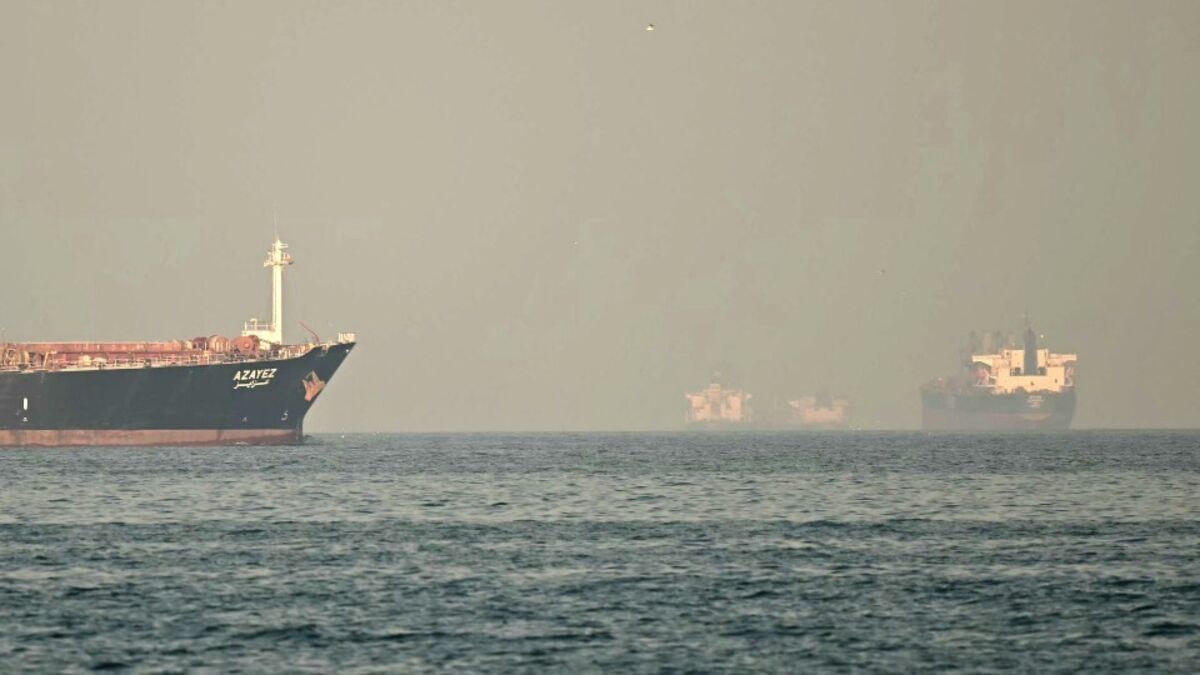
In a pivotal moment for international diplomacy, US Ambassador to the European Union Andrew Puzder has called for greater European involvement in the Strait of Hormuz. This plea comes as tensions between the US and Iran escalate, particularly regarding the ongoing conflicts in the Middle East. Puzder emphasized that Europe's engagement is crucial not only for regional stability but also for safeguarding vital trade routes that are essential for the global economy.
The Strait of Hormuz is a critical chokepoint through which approximately 20% of the world’s oil supply flows. Recent skirmishes and threats from Iran have raised alarms about the security of this passage, prompting discussions about a collaborative international approach to secure it. Puzder's comments reflect a growing concern that without a unified front, the risks of miscalculation could lead to broader conflicts. The ambassador highlighted the necessity of dialogue, suggesting that discussions between the US and Iran could pave the way for de-escalation.
As Europe grapples with its own economic challenges and geopolitical positioning, the call for involvement in Hormuz underscores a transition in how transatlantic relations are perceived. Puzder’s remarks indicate a shift from a primarily US-centric approach to one that necessitates shared responsibility among allies. This move could redefine the dynamics of international trade and security, particularly as Europe looks to diversify its energy sources amid increasing reliance on Middle Eastern oil.
The implications of this situation extend beyond immediate security concerns. Puzder's advocacy for European involvement might signal a new era of cooperative diplomacy aimed at stabilizing not just the Hormuz Strait but also the broader Middle Eastern region. Such collaboration could lead to more robust economic ties and a strategic partnership that benefits both the US and Europe in navigating future conflicts.
Experts suggest that this call for action may resonate with European leaders who have been wary of US unilateralism. The prospect of a coordinated response to Iranian provocations could bolster transatlantic relations, fostering a sense of shared purpose in addressing global challenges. Additionally, it may prompt a reevaluation of NATO's role in non-European conflicts, potentially expanding its mandate to include economic security.
Key Takeaways:
- Key Fact: The Strait of Hormuz is responsible for 20% of global oil shipments, making its security paramount.
- What Changed: There's a shift from US-centric security measures to a proposed collaborative approach involving Europe.
- What to Watch: Look for upcoming discussions between US and European leaders regarding strategic partnerships in the region within the next 24 hours.
- Practical Implication: Increased European involvement could stabilize oil prices and enhance energy security for consumers.
- Related Trend: This development aligns with a broader trend of nations seeking multilateral approaches to resolve geopolitical tensions, moving away from isolationist policies.
Original source: Bloomberg
How this was produced: AI-assisted synthesis from cited source, filtered for duplication and low-value rewrites by TxtFeed quality rules.




Comments
No comments yet. Be the first to share your thoughts.