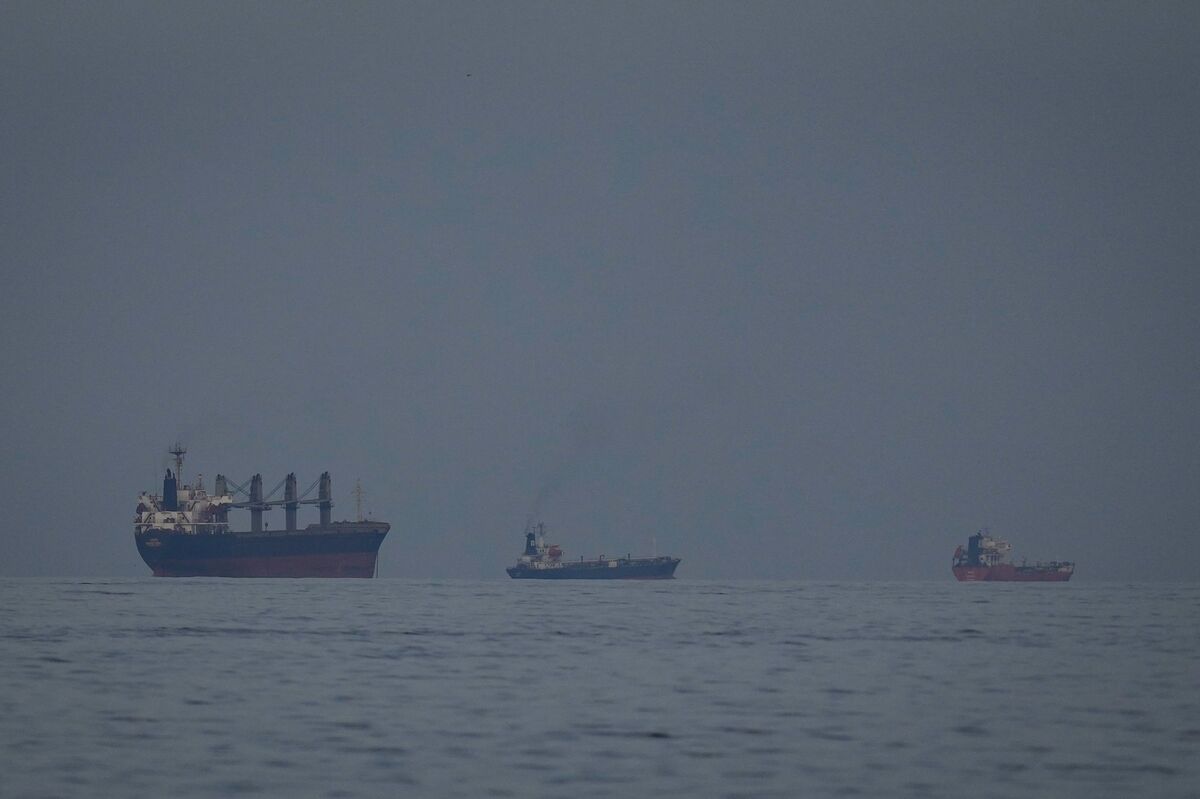
Iran Says Non-Hostile Ships Can Cross Hormuz on Its Terms
In a significant development, Iran has announced that foreign vessels can navigate the strategically crucial Strait of Hormuz, provided they adhere to regulations established by Tehran and do not engage in actions deemed hostile. This declaration comes amid escalating tensions in the region, where maritime safety and shipping routes have become focal points of geopolitical strife.
The Strait of Hormuz is pivotal for global oil transportation, with approximately one-fifth of the world’s oil passing through this narrow passageway. Iran's announcement is a strategic maneuver, aimed at asserting its authority over the region while also signaling a willingness to allow commercial activity, contingent on compliance with its terms. This move follows a series of confrontations between Iranian forces and foreign naval vessels, particularly those from the United States and its allies.
The backdrop to this announcement includes a fraught history of naval encounters in the Gulf, characterized by Iran's assertion of sovereignty and its opposition to foreign military presence. Iran’s recent actions, including the seizure of vessels and warnings to foreign navies, have heightened concerns about the safety of navigation in these waters. By outlining conditions for passage, Iran seems to be attempting to manage its international image while simultaneously reinforcing its claims over the Strait.
This event matters now as it reflects Iran's ongoing strategy to exert influence in a region that is vital for global energy supplies. The decision could potentially ease tensions temporarily, allowing for the safe passage of commercial ships. However, it also raises questions about what constitutes "non-hostile" actions and how foreign nations will interpret these regulations, potentially leading to further friction in maritime interactions.
Experts suggest that Iran’s announcement may also be a response to economic pressures, as the country seeks to stabilize its economy amid sanctions. By permitting foreign shipping under specific conditions, Iran could be attempting to restore some level of trade and economic interaction, which is crucial for its financial health. Observers note that this situation could serve as a litmus test for international maritime law and diplomatic negotiations in the region.
In the coming hours, stakeholders will be watching closely how foreign nations respond to Iran’s terms for maritime passage. The U.S. and its allies may issue statements or take actions that reflect their stance on Iran's authority in these waters. Additionally, shipping companies will need to assess the risks of operating under Iran's regulations, which could affect their operational strategies.
Key Takeaways:
- Iran allows foreign ships to cross the Strait of Hormuz under its regulations, aiming to assert control while facilitating trade.
- The Strait is crucial for global oil transport, with 20% of the world's oil passing through it.
- Watch for potential responses from the U.S. and allied nations regarding Iran's maritime conditions in the next 24 hours.
- Shipping companies may need to adapt their operations based on Iran's stipulations, impacting global supply chains.
- This development underscores broader trends of regional power dynamics and the importance of maritime security in international relations.
Original source: Bloomberg
How this was produced: AI-assisted synthesis from cited source, filtered for duplication and low-value rewrites by TxtFeed quality rules.






Comments
No comments yet. Be the first to share your thoughts.