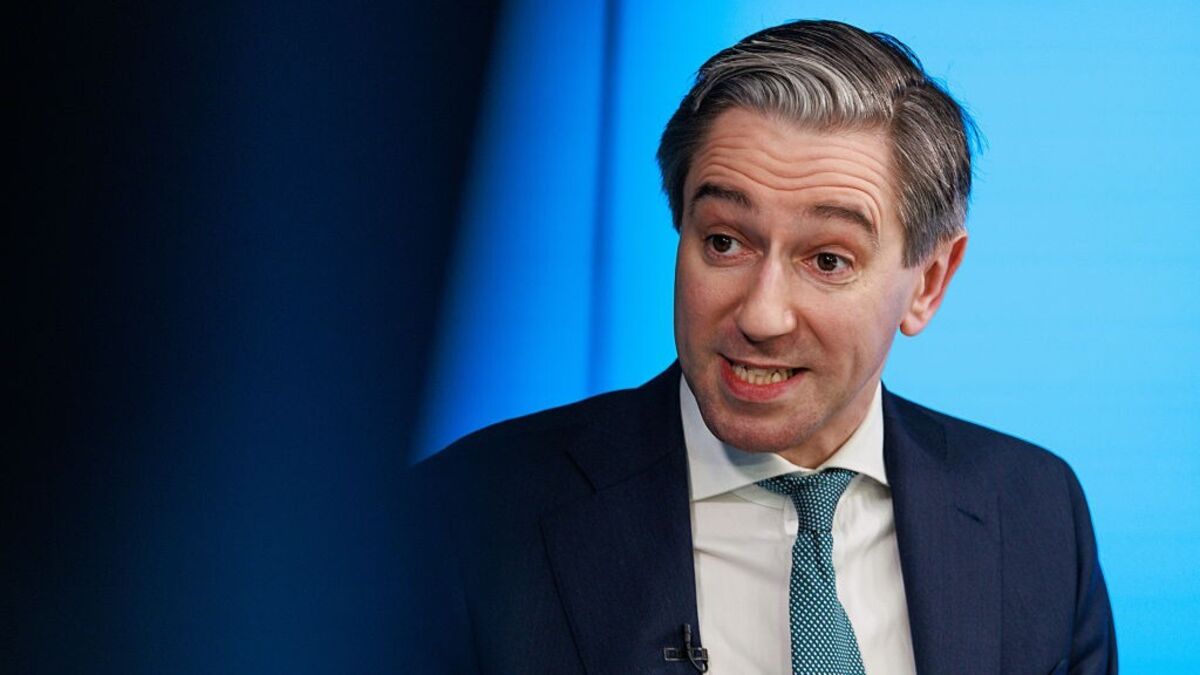
Irish Finance Minister: Oil Shock Is 'Wake-Up Call' for Europe
In a recent interview on Bloomberg Television, Irish Finance Minister Simon Harris underscored the urgent need for Europe to bolster its energy independence in light of a significant surge in oil prices. This spike, which has sent tremors through the global economy, is seen as a critical juncture for European nations grappling with inflationary pressures that could destabilize their economic recovery post-pandemic.
The backdrop of Harris's remarks is a turbulent energy market, exacerbated by geopolitical tensions and supply chain disruptions. As oil prices soar, consumers are feeling the pinch at the pump and in their heating bills, prompting fears of a broader inflationary spiral. Harris emphasized that this moment should serve as a catalyst for European nations to expedite their transition towards renewable energy sources, aiming to reduce reliance on fossil fuels and enhance energy security.
The implications of this oil shock extend beyond immediate financial concerns. As energy costs rise, businesses may face increased operational expenses, potentially leading to higher prices for goods and services. This scenario poses a dual threat: not only could it hamper economic growth, but it may also deepen the cost-of-living crisis for many households across Europe. Harris's comments highlight a pivotal shift in policy discussions, urging a collective response that prioritizes sustainable energy solutions.
Looking ahead, this situation raises crucial questions about Europe's energy strategy. With the European Union's Green Deal already in focus, Harris's statements could catalyze more aggressive legislative action aimed at promoting renewable energy infrastructure and investment. The urgency of the current crisis may provide the political impetus needed for member states to unify their efforts and tackle energy dependency more decisively.
Experts suggest that Harris's call for action reflects a broader trend among European leaders who are increasingly aware of the need for energy resilience. Comparatively, countries like Germany and Denmark have already made significant strides toward renewable energy, positioning themselves as leaders in the green transition. Observers will be keen to see if this oil shock can galvanize other nations to follow suit, potentially reshaping the continent's energy landscape.
Key Takeaways:
- Surge in Prices: Oil prices have escalated significantly, raising concerns about inflation across Europe.
- Policy Shift: Harris’s remarks signal a potential pivot towards more aggressive renewable energy initiatives in Europe.
- Next 24 Hours: Watch for reactions from other EU leaders regarding energy policy adjustments and potential emergency measures.
- Practical Implication: Consumers may need to brace for higher energy costs and potential price increases on everyday goods.
- Broader Trend: This incident reflects a growing urgency within Europe to transition to sustainable energy sources amidst geopolitical instability.
As the situation evolves, it remains imperative for readers to stay informed about potential policy changes and market reactions that could directly impact their financial well-being and energy choices.
Original source: Bloomberg
How this was produced: AI-assisted synthesis from cited source, filtered for duplication and low-value rewrites by TxtFeed quality rules.


Comments
No comments yet. Be the first to share your thoughts.