Title: Trump’s Stark Warning on NATO and the Strait of Hormuz: A Call for Action Amid Rising Oil Prices
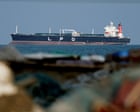
In a striking statement, former President Donald Trump has issued a stark warning regarding the future of NATO, emphasizing a "very bad" trajectory if member nations do not collaborate to secure the critical Strait of Hormuz. This warning comes at a time when geopolitical tensions are escalating, particularly in the Middle East, and oil prices are experiencing significant fluctuations. As a vital shipping route for a substantial portion of the world's oil supply, the Strait of Hormuz’ security is paramount for global economic stability.
The Strait of Hormuz is a narrow passage that connects the Persian Gulf with the Arabian Sea, through which approximately 20% of global oil trade flows. Trump's comments reflect the growing unease among world leaders about the potential for conflict in the region, particularly following recent provocations. Japan's Prime Minister Sanae Takaichi has publicly stated that her country is not currently planning to deploy its maritime self-defense forces to protect tanker traffic, signaling a hesitance among allies to engage militarily. Takaichi emphasized the need for thorough discussions regarding Japan's legal framework and independent actions.
The immediate significance of Trump's remarks lies in the potential for rising oil prices to impact economies worldwide, particularly as many nations are still recovering from the economic fallout of the pandemic. The muted response to his call for NATO allies to act highlights a divide among member nations regarding military intervention and collective security commitments. As tensions rise, the implications for global oil supply chains and pricing could be profound, affecting everything from transportation costs to inflation rates.
Understanding the broader implications of this situation is crucial. If NATO fails to present a unified front in securing the Strait of Hormuz, it could embolden aggressive actions from regional players, leading to further instability and potential conflict. The economic consequences could ripple across markets, affecting consumer prices and energy security for nations dependent on oil imports. Moreover, Trump's warning underscores the fragility of international alliances in the face of evolving geopolitical challenges.
Experts suggest that the current landscape mirrors historical moments when global powers hesitated to act decisively in the face of threats to vital trade routes. Comparisons can be drawn to previous crises in the Gulf region, where lack of consensus among allies led to escalated tensions and conflict. Analysts are closely monitoring how NATO members will respond in the coming days, particularly as oil prices continue to rise and public sentiment around energy security grows.
As the situation develops, several key takeaways emerge for readers looking to understand the implications of these events:
- Key Fact: The Strait of Hormuz is essential for global oil trade, with about 20% of the world’s oil passing through it daily.
- What Changed: Trump's stark warning signals a heightened urgency for NATO's role in Middle Eastern security, contrasting with previous periods of relative calm.
- What to Watch: In the next 24 hours, observe NATO's response and any shifts in oil prices as geopolitical tensions escalate.
- Practical Implication: Consumers may experience rising fuel costs and inflation if oil prices continue to surge due to instability in the Middle East.
- Related Trend: This situation reflects a broader trend of increasing nationalism and skepticism toward international alliances, complicating global responses to crises.
As the world watches, the interplay of military action, economic stability, and international relations continues to unfold, urging readers to remain informed and prepared for potential shifts in the geopolitical landscape.
Original source: Guardian World
How this was produced: AI-assisted synthesis from cited source, filtered for duplication and low-value rewrites by TxtFeed quality rules.


Comments
No comments yet. Be the first to share your thoughts.