Title: Oil Prices Surge Towards $110 a Barrel Following Iranian Gas Field Strike
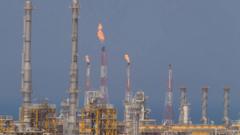
In a significant escalation of geopolitical tensions, oil prices have surged, nearing $110 per barrel, following a targeted strike on Iran's gas field infrastructure. This immediate spike highlights the fragility of energy markets amidst ongoing conflicts, raising concerns about potential supply disruptions that could reverberate globally. The Iranian military has issued a stern warning, stating it will take "decisive action" in response, signaling a potential military escalation that could further impact global oil supplies.
The strike, attributed to ongoing regional hostilities, has not only damaged critical infrastructure but also triggered a ripple effect in energy markets. Analysts suggest that the attack underscores the vulnerability of energy assets in conflict zones and could lead to increased volatility in oil prices. The immediate aftermath has seen Brent crude futures jump significantly, reflecting market fears of a supply crunch as Iran's energy production capabilities come under threat.
The timing is particularly critical as global economies are still grappling with post-pandemic recovery and rising inflation rates. A spike in oil prices can exacerbate existing economic pressures, leading to higher transportation and production costs that could be passed on to consumers. Furthermore, many countries are already facing energy shortages, and this strike adds another layer of complexity to an already strained situation.
This event underscores a broader trend of increasing military confrontations impacting energy resources. As geopolitical tensions rise, countries reliant on oil imports may need to reassess their energy strategies and stockpile reserves. Experts suggest that nations may begin exploring alternative energy sources more aggressively to mitigate risks associated with such conflicts.
In light of these developments, it's essential for readers to stay informed about potential shifts in energy policies and market responses. The energy landscape is evolving rapidly, and consumers may soon feel the impact at the gas pump or through rising utility bills. Understanding these dynamics can help individuals and businesses better prepare for the potential economic fallout.
Key Takeaways:
- Oil prices are approaching $110 per barrel, influenced by a strike on Iran's gas infrastructure.
- The Iranian military has warned of "decisive action," indicating possible military escalation.
- Watch for market reactions in the next 24 hours, particularly in energy stocks and commodities.
- Consumers may face higher energy costs as supply concerns mount.
- This event reflects a broader trend of geopolitical tensions affecting energy security globally.
As the situation unfolds, consider the importance of diversifying energy sources and staying vigilant regarding market fluctuations that could affect personal and business finances.
Original source: BBC World
How this was produced: AI-assisted synthesis from cited source, filtered for duplication and low-value rewrites by TxtFeed quality rules.





Comments
No comments yet. Be the first to share your thoughts.