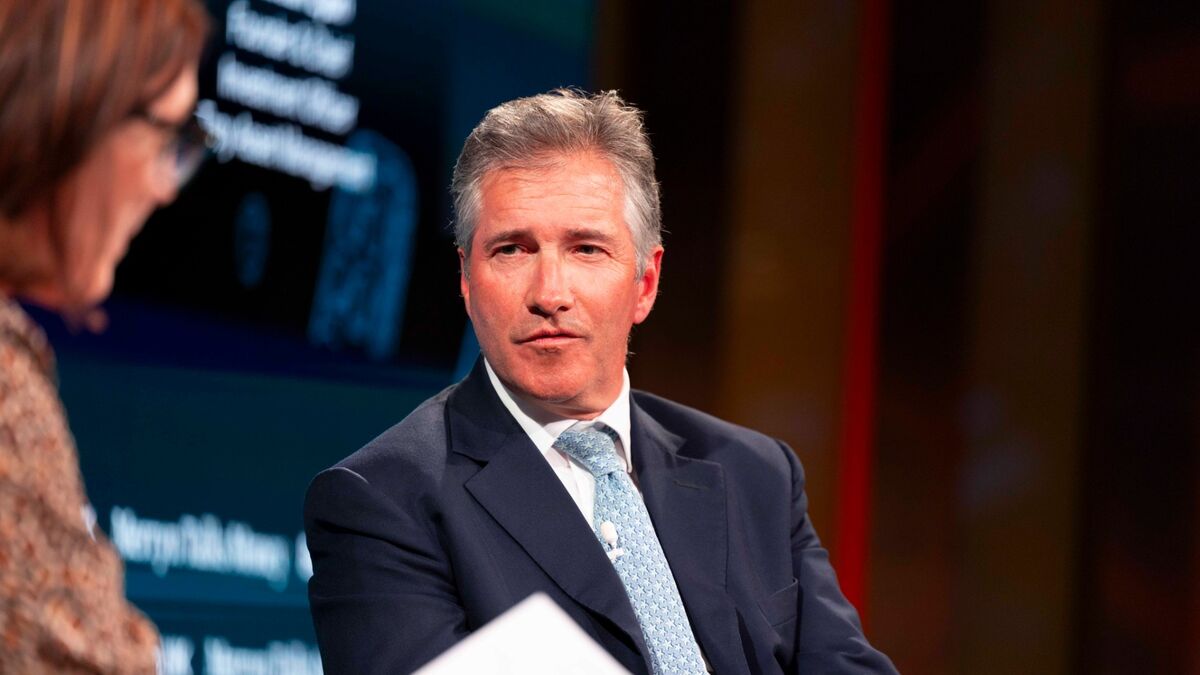
Title: Sebastian Lyon: A 60/40 Portfolio Doesn't Work Anymore
In a thought-provoking address at a Bloomberg.com event in London, Sebastian Lyon, founder and chief investment officer of Troy Asset Management, declared that the traditional 60/40 investment portfolio—60% equities and 40% bonds—no longer holds water in today’s financial landscape. This assertion comes at a time when investors are grappling with rising interest rates, persistent inflation, and market volatility, making Lyon's insights particularly timely and relevant.
Lyon argues that the foundational principles of the 60/40 strategy, which were designed to balance risk and return, are increasingly outdated. With bond yields remaining low and equity markets showing unpredictability, he suggests that investors will need to reassess their asset allocation strategies. The traditional model, which has served as a cornerstone for many retirement portfolios over the past several decades, is now under scrutiny as market conditions evolve.
The implications of Lyon's statement are far-reaching. Investors who cling to the 60/40 model may face diminished returns, especially as inflation continues to erode purchasing power. Lyon emphasizes that a more diversified approach, potentially incorporating alternatives such as real estate, commodities, or private equity, could provide better protection against market downturns and inflationary pressures. This shift in strategy is not just a response to current economic conditions but a necessary adaptation to a rapidly changing investment environment.
Looking ahead, the significance of Lyon's remarks cannot be overstated. As central banks around the globe continue to adjust interest rates in response to inflation, the traditional safe havens of bonds may not provide the stability they once did. Investors are urged to remain vigilant and proactive in seeking out opportunities that align with their risk tolerance and financial goals. This evolving landscape will likely push many to reconsider long-held beliefs about asset allocation.
In exploring different avenues, industry experts echo Lyon's sentiments, suggesting that a blend of equities, fixed income, and alternative assets could forge a more resilient portfolio. Comparisons can be drawn to past market shifts, such as the dot-com bubble or the 2008 financial crisis, where traditional strategies faltered. The current climate underscores the necessity for flexibility and adaptability in investment strategies.
As investors digest Lyon's insights, they should be prepared for a potential period of volatility and uncertainty. The next 24 hours will be crucial as market participants react to these ideas, potentially influencing trading patterns and investment decisions. Observing how financial institutions and individual investors adjust their strategies could provide valuable lessons for navigating this new terrain.
Key Takeaways:
- Lyon asserts the 60/40 portfolio is outdated in the current economic climate.
- Rising interest rates and inflation have diminished the effectiveness of traditional asset allocations.
- A diversified approach, including alternatives to equities and bonds, may be necessary for better returns.
- Investors should be vigilant as market reactions unfold in the coming days.
- This shift reflects a broader trend toward more dynamic and flexible investment strategies in response to changing market conditions.
Original source: Bloomberg
How this was produced: AI-assisted synthesis from cited source, filtered for duplication and low-value rewrites by TxtFeed quality rules.






Comments
No comments yet. Be the first to share your thoughts.