Title: Silver Rout Fueled by Retail Investor Frenzy, Says BIS
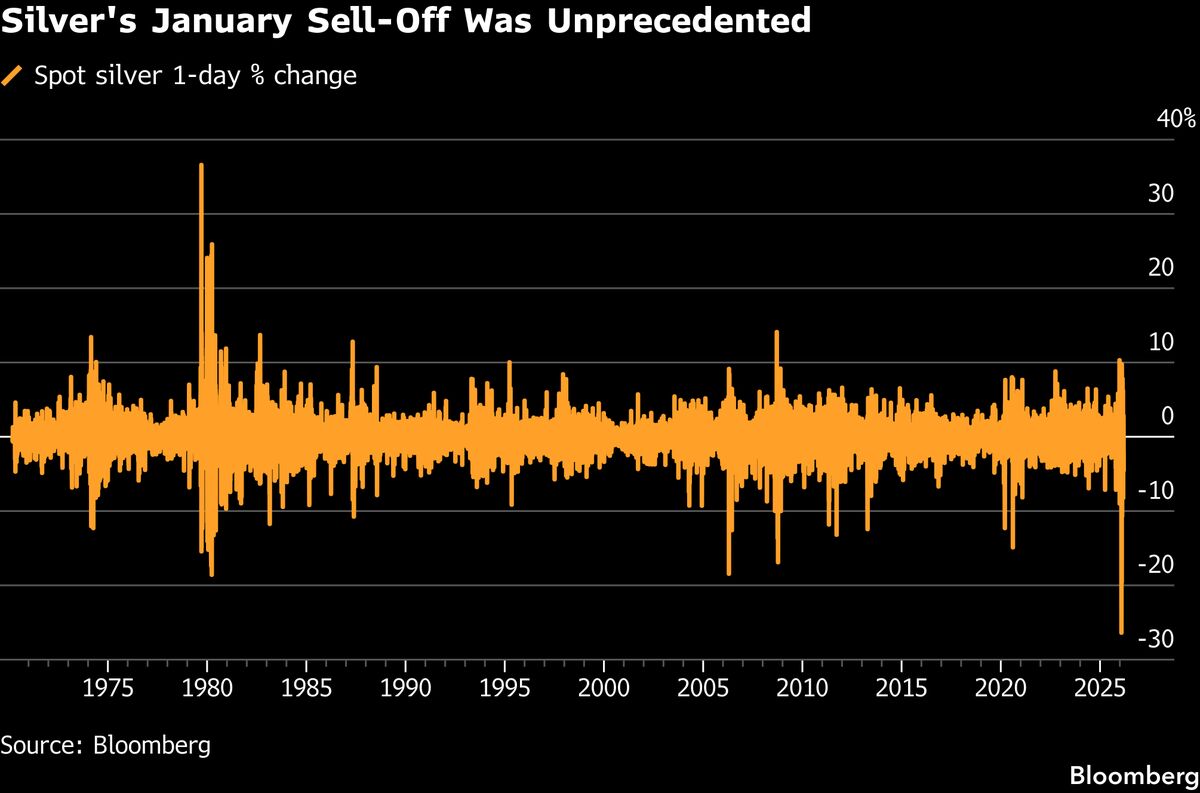
In a striking revelation, the Bank for International Settlements (BIS) has attributed the unprecedented sell-off of silver at the end of January to the surge in retail investor participation in leveraged exchange-traded funds (ETFs). This event marks a pivotal moment in the commodities market, raising questions about the influence of retail investors and the volatility introduced by financial instruments designed for high-risk trading.
The BIS report outlines how the silver market faced its worst rout, with prices plummeting sharply as panic selling took hold. Leveraged ETFs, designed to amplify returns through borrowing, saw a significant influx of retail investors eager to capitalize on rising silver prices. However, as prices began to fall, these investors were forced to liquidate their positions to meet margin calls, exacerbating the downward spiral. The report highlights that the rapid growth of these financial products has created a "destabilizing" effect on the market, drawing parallels to past market disruptions driven by similar dynamics.
This situation is particularly significant as it underscores the growing power of retail investors, especially in volatile markets. In recent years, the rise of trading apps and online brokerage platforms has democratized access to financial markets, allowing everyday individuals to participate with unprecedented ease. However, the BIS warns that this trend could lead to increased market instability, as retail investors may not fully understand the risks associated with leveraged products.
The implications of this sell-off extend beyond silver prices; they raise concerns about the overall health of financial markets. The increasing reliance on leveraged ETFs could lead to more frequent and severe market corrections, as investors react to price swings with more urgency. Additionally, the BIS report serves as a wake-up call for regulators to evaluate the risks posed by these financial instruments and consider implementing measures to protect both investors and market stability.
Experts are now analyzing the potential long-term consequences of this event. Some believe it may prompt a reevaluation of how leveraged products are marketed and sold to retail investors. Comparisons are being drawn to the GameStop trading frenzy of early 2021, where retail investors similarly drove dramatic price movements, highlighting the potential for collective action in the digital age.
As the dust settles, market watchers will be keen to observe how the silver market rebounds and whether regulatory bodies will intervene to mitigate risks associated with leveraged ETFs. The broader trend of retail participation in financial markets is likely to continue, but how it is managed will be crucial for future market stability.
Key Takeaways:
- The BIS links the historic silver sell-off to increased retail investment in leveraged ETFs, which intensified market volatility.
- Leveraged ETFs saw significant inflows from retail investors, leading to forced liquidations as prices dropped.
- Watch for potential regulatory responses in the next 24 hours, as authorities might reassess the risks of leveraged trading.
- Retail investors should be cautious of leveraged products, understanding their potential for rapid losses.
- This event aligns with a broader trend of retail investors impacting market dynamics, reminiscent of past trading frenzies.
Original source: Bloomberg
How this was produced: AI-assisted synthesis from cited source, filtered for duplication and low-value rewrites by TxtFeed quality rules.






Comments
No comments yet. Be the first to share your thoughts.