Title: Socialists Face Tough Challenge in Paris Mayoral Elections as Right-Wing Momentum Grows
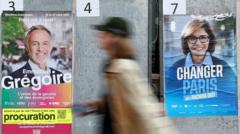
In a pivotal moment for French politics, Paris is set to undergo a significant transformation as the city holds its mayoral elections, marking a potential shift in power after 25 years of Socialist leadership. The key contest pits incumbent Emmanuel Grégoire against former justice minister Rachida Dati, whose rise in popularity signals a growing right-wing sentiment in the capital. With a backdrop of economic challenges and rising crime rates, the outcome could redefine the political landscape of one of Europe's most iconic cities.
The elections come at a time when Paris is grappling with numerous pressing issues, including housing shortages, public safety concerns, and the aftermath of the COVID-19 pandemic, which has left the city’s economy reeling. Grégoire, who has been in office since 2020, has focused on sustainable urban development and social equity, but his tenure has faced criticism for perceived inaction on crime and rising living costs. Dati, on the other hand, has campaigned on a platform of law and order, appealing to citizens who feel anxious about their safety and the effectiveness of current governance.
The immediate significance of this election lies in its potential to disrupt a long-standing political dominance by the Socialists, a party that has shaped Parisian politics for decades. Dati's campaign has resonated particularly with younger voters and those disillusioned by traditional leftist policies. If successful, this could not only shift the political balance in Paris but also embolden right-wing parties across France, potentially influencing national elections in the future as voters seek alternatives to the status quo.
As Paris prepares to cast its votes, the implications extend beyond local governance. A rightward shift in the capital could signal a broader trend of conservative resurgence in urban areas, challenging the narrative that cities are uniformly progressive bastions. Observers are keenly watching this election as a barometer for national sentiment, especially given the increasing polarization in French society around issues such as immigration, security, and economic disparity.
Experts suggest that the outcome could serve as a litmus test for the Socialist party's future, highlighting the need for a reevaluation of their policies and messaging to reconnect with constituents. Comparisons are being drawn to recent elections in other European cities, where traditional left parties have struggled against rising populism and right-wing candidates. This election might be a crucial turning point, not just for Paris, but for the Socialist party's relevance in the evolving political landscape of France.
In the next 24 hours, all eyes will be on voter turnout and the early results, which could provide insight into the effectiveness of Dati's campaign strategy and Grégoire's incumbency. The stakes are high as the city faces a critical juncture that could redefine its future trajectory.
Key Takeaways:
- Key Fact: Paris has been governed by the Socialists for 25 years; a shift could occur if Rachida Dati wins.
- Change: The political landscape may shift dramatically from left to right, impacting city policies and governance.
- What to Watch: Voter turnout and early results will indicate public sentiment and the viability of Dati's campaign.
- Practical Implication: Residents may experience changes in city policies, particularly in public safety and housing.
- Broader Trend: The election reflects a growing trend of right-wing candidates gaining traction in urban areas across Europe.
Original source: BBC World
How this was produced: AI-assisted synthesis from cited source, filtered for duplication and low-value rewrites by TxtFeed quality rules.




Comments
No comments yet. Be the first to share your thoughts.