Title: UK’s Aid Budget Cut to Hit Africa’s Most Vulnerable: What You Need to Know
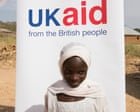
In a significant shift in foreign policy, the UK government has announced a staggering 56% cut to its bilateral aid to Africa, reducing funding by nearly £900 million by 2028-29. This decision, articulated by the foreign secretary, is part of a broader strategy to reallocate over £6 billion in aid towards bolstering defense spending. The immediate implications of this budget cut are dire for some of the world's poorest nations, many of which rely heavily on UK aid for essential services like healthcare and education.
Historically, the UK has been a key player in international development, providing crucial funding for programs that support education, healthcare, and infrastructure in African nations. With this new budget cut, a range of initiatives, from building schools to funding clinics, are now at risk. The foreign secretary emphasized that this reallocation of funds is necessary to address national security concerns, particularly in light of recent global geopolitical tensions. However, critics argue that this move disproportionately affects those who are already vulnerable.
This funding reduction comes at a time when many African countries are grappling with the aftershocks of the COVID-19 pandemic, which has exacerbated existing challenges in health and education systems. With schools still recovering from prolonged closures and healthcare systems strained, the timing of the cuts raises questions about the UK's commitment to global development. Moreover, as the world faces rising food insecurity and climate change challenges, the reduction in aid could hinder progress in alleviating poverty and promoting sustainable development in the region.
The broader implications of this aid cut extend beyond immediate financial impacts. As the UK shifts its focus towards defense, there is a growing concern that the international community may be witnessing a trend where humanitarian aid is deprioritized in favor of military spending. Such a shift could signal a change in how Western nations approach global stability and development, potentially leading to increased tensions and conflict in regions that are already fragile.
Experts warn that the consequences of these cuts will not only affect current aid recipients but also impact future generations. The loss of funding for educational programs could mean that millions of children will miss out on critical learning opportunities, perpetuating a cycle of poverty. Additionally, healthcare programs that rely on UK funding may struggle to operate effectively, leading to poorer health outcomes for vulnerable populations.
As this situation develops, observers should keep a close eye on how both UK and international stakeholders respond. Discussions in Parliament and among NGOs will likely intensify, with advocates pushing for a reevaluation of the funding strategy. There is also potential for public backlash against the cuts, which could influence future policy decisions.
Key Takeaways:
- The UK plans to cut its bilateral aid to Africa by almost £900 million by 2028-29, marking a 56% reduction.
- This funding is crucial for education and healthcare programs in some of the world’s poorest countries.
- The aid reduction is part of a broader strategy to increase defense spending amidst global security concerns.
- Watch for potential public and political pushback in the UK as the implications of these cuts unfold.
- The situation reflects a worrying trend of prioritizing military spending over humanitarian aid in global governance.
Original source: Guardian World
How this was produced: AI-assisted synthesis from cited source, filtered for duplication and low-value rewrites by TxtFeed quality rules.





Comments
No comments yet. Be the first to share your thoughts.