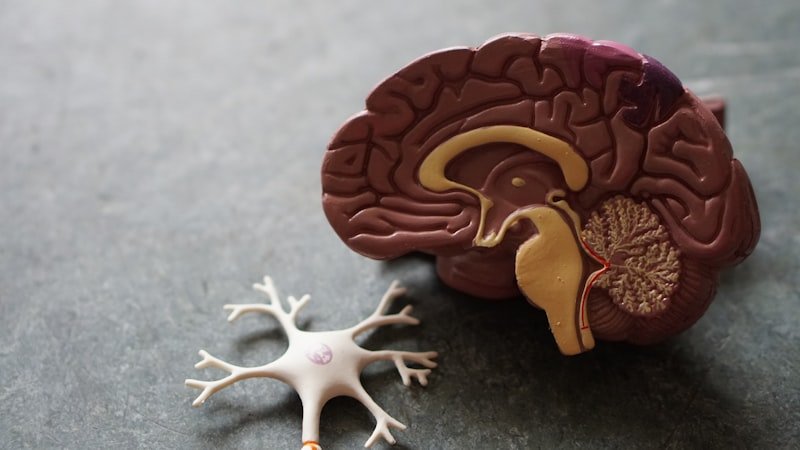
A major review published in Molecular and Cellular Biochemistry has identified five distinct biological mechanisms through which microplastic particles may trigger inflammation and damage in the human brain, potentially accelerating the development of Alzheimer's and Parkinson's disease.
Led by researchers at the University of Technology Sydney, the study outlines how tiny plastic particles can cross the blood-brain barrier and cause cascading damage through inflammation, oxidative stress, mitochondrial impairment, and direct neuronal injury.
Five Pathways of Brain Damage
The researchers identified the following mechanisms by which microplastics harm the brain:
- Inflammation: Microplastics trigger immune responses in brain tissue, causing chronic inflammation that damages neurons over time.
- Blood-Brain Barrier Disruption: The particles can weaken the protective barrier that normally shields the brain from harmful substances.
- Oxidative Stress: Microplastics generate reactive oxygen species that overwhelm the brain's limited antioxidant defenses.
- Mitochondrial Impairment: The particles interfere with cellular energy production, starving neurons of the power they need to function.
- Direct Neuronal Damage: Physical interaction between microplastics and brain cells can cause structural damage to neurons.
A Growing Concern
Associate Professor Kamal Dua estimates that adults consume approximately 250 grams of microplastics each year. Research from the University of New Mexico has found plastic particle concentrations five to eight times higher in the brains of dementia patients compared to healthy individuals.
The brain is particularly vulnerable due to its high oxygen consumption, abundant fatty acids in neuronal membranes, and limited antioxidant enzymes. With dementia affecting more than 57 million people worldwide, the researchers recommend reducing plastic exposure by avoiding plastic containers, choosing natural fibers, and eating less processed and packaged food.

Comments
No comments yet. Be the first to share your thoughts.