Title: Trump Claims Iran's Gesture: 10 Oil Boats Allowed Through Strait of Hormuz
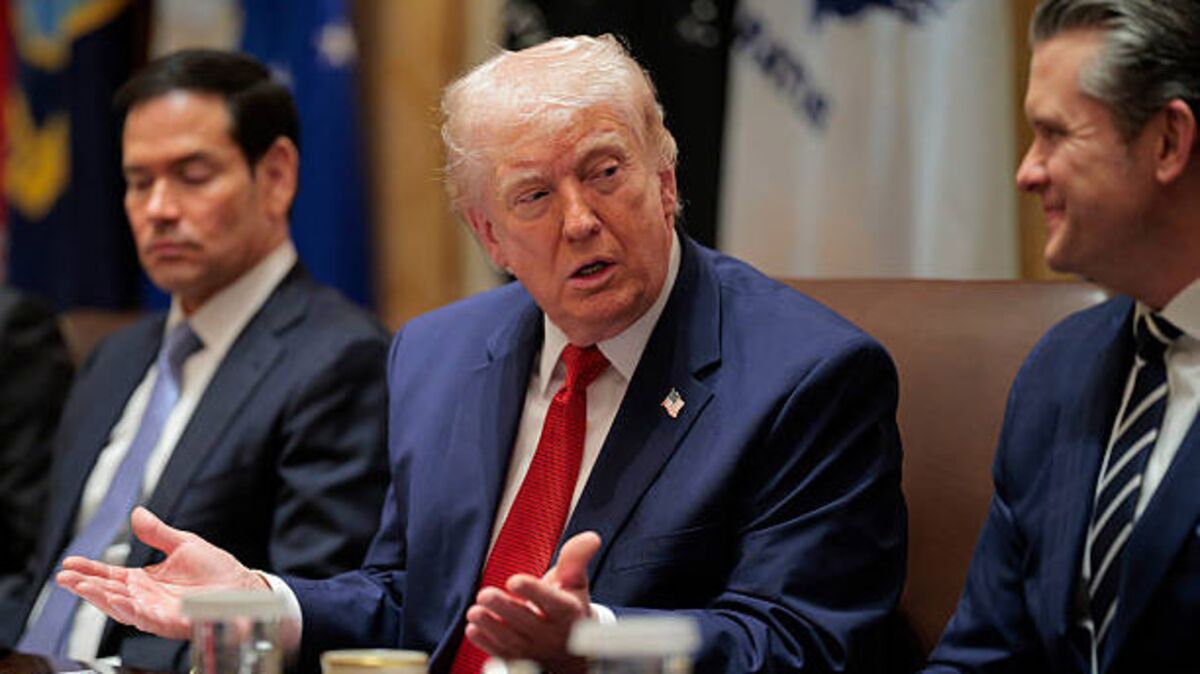
In a surprising announcement during a Cabinet meeting, President Trump revealed that Iran has permitted ten oil tankers to pass through the strategically vital Strait of Hormuz, framing the act as a “gift.” This statement comes amid heightened tensions between the United States and Iran, particularly following a series of confrontations in the region. The Strait of Hormuz is crucial for global oil supply, with approximately 20% of the world’s oil passing through its narrow waters.
Contextually, this declaration is set against a backdrop of ongoing geopolitical friction, where the U.S. has imposed severe sanctions on Iran's economy, particularly targeting its oil exports. Trump's comments suggest a potential thaw in relations, or at the very least, a strategic maneuver to highlight Iran's willingness to cooperate under certain conditions. The ten boats, presumably loaded with oil, could symbolize a temporary reprieve in a tense standoff that has implications for global oil prices and market stability.
The timing of this announcement is significant. With oil prices fluctuating and the global economy still reeling from the impacts of the pandemic, any shift in Iran's oil distribution could affect markets almost immediately. Analysts are closely monitoring the situation, as a sustained easing of tensions could lead to increased oil supply, potentially lowering prices. Conversely, if the U.S. interprets this gesture as a sign of weakness or attempts to leverage it for further concessions, it could exacerbate hostilities.
Looking at the broader implications, this move could signal a shift in Iran's strategy to navigate its economic challenges. If Iran continues to allow oil shipments through the Strait, it could bolster its economy while simultaneously undermining the effectiveness of U.S. sanctions. This development may also influence other countries' stances on engaging with Iran, potentially leading to a reevaluation of diplomatic strategies in the region.
Experts suggest that this situation warrants careful observation. Comparisons can be drawn to previous instances where gestures of goodwill have led to negotiations or escalated conflicts. For instance, past agreements in the region have often begun with seemingly innocuous gestures that eventually led to more significant diplomatic breakthroughs—or breakdowns.
As the situation unfolds, here are key takeaways for readers:
- Key Fact: Ten oil tankers have been allowed passage through the Strait of Hormuz, a vital channel for global oil transport.
- What Changed: This gesture marks a potential shift in Iran's approach amid ongoing tensions with the U.S., contrasting sharply with prior aggressive posturing.
- What to Watch: Monitor oil prices and any subsequent U.S. policy responses over the next 24 hours, as market reactions could be swift.
- Practical Implication: Consumers should be aware that fluctuations in oil prices could affect fuel costs, especially if this leads to increased supply.
- Related Trend: This incident reflects a broader trend of nations navigating economic pressures through diplomatic overtures, potentially reshaping geopolitical alliances.
As this narrative develops, the implications for both the U.S. and Iran could redefine their relationship, with potential ripple effects across global markets. The next steps taken by both nations will be crucial in determining the future landscape of Middle Eastern geopolitics.
Original source: Bloomberg
How this was produced: AI-assisted synthesis from cited source, filtered for duplication and low-value rewrites by TxtFeed quality rules.




Comments
No comments yet. Be the first to share your thoughts.