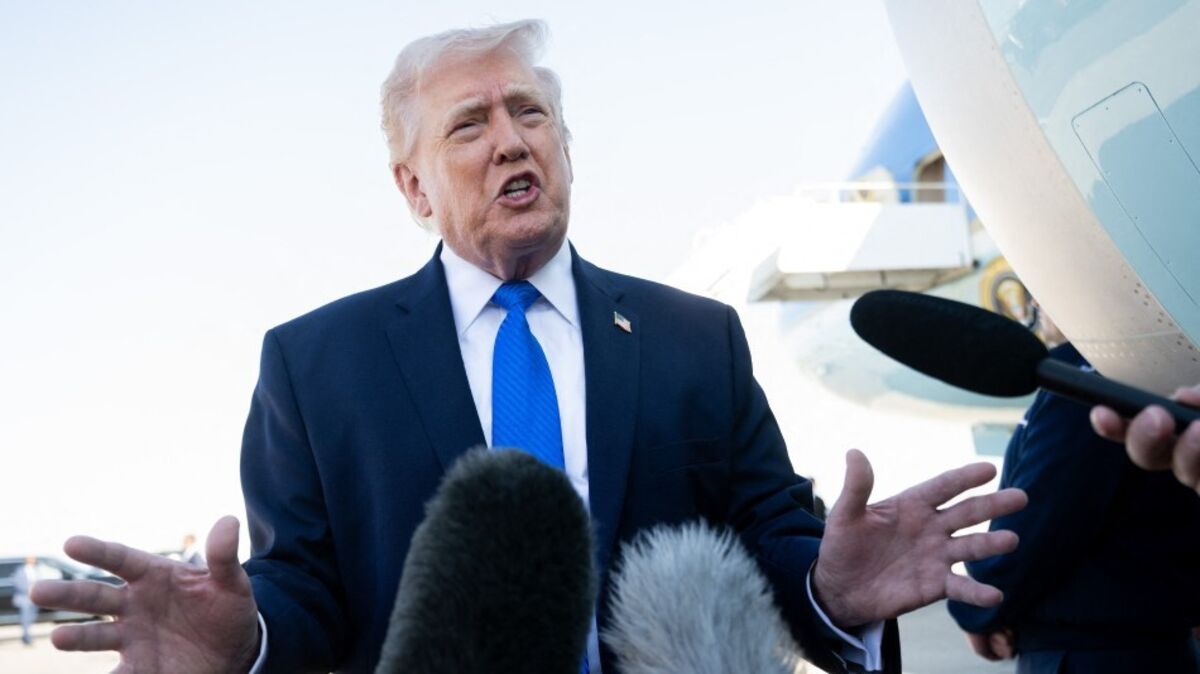
Trump Says US 'Very Willing' to Make a Deal With Iran
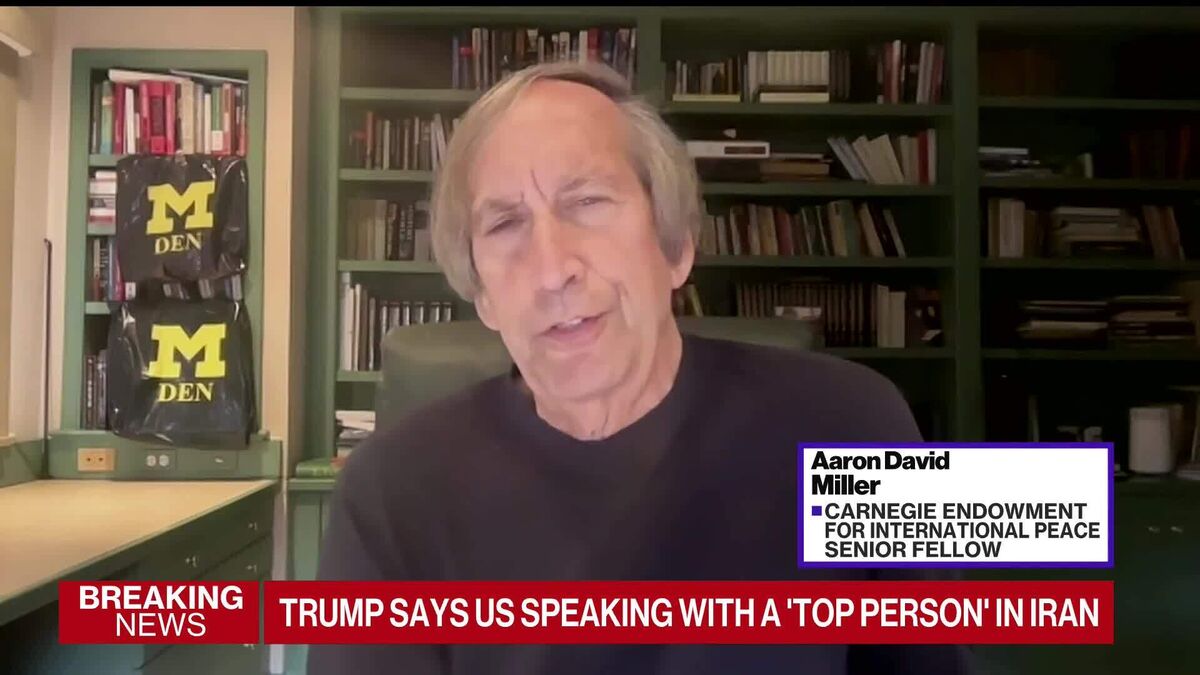
In a surprising turn of diplomatic engagement, President Donald Trump announced that the United States is in talks with a high-ranking official in Iran, signaling a potential thaw in relations between the two nations. This development comes amid ongoing tensions surrounding Iran's nuclear program and its regional influence, raising questions about the future of U.S. foreign policy in the Middle East.
The announcement, reported by Bloomberg, indicates that the U.S. is seeking to negotiate a deal with Iran, although it notably excludes discussions with Iran's Supreme Leader, Ayatollah Ali Khamenei. This is significant given that Khamenei has been a central figure in shaping Iran's foreign policy and has often dismissed U.S. overtures. Trump's willingness to engage with other Iranian officials suggests a strategic pivot aimed at sidestepping Khamenei's hardline stance and potentially opening a pathway to dialogue.
Historically, U.S.-Iran relations have been fraught with conflict, especially following the U.S. withdrawal from the Joint Comprehensive Plan of Action (JCPOA) in 2018. Since then, Iran has ramped up its nuclear activities, creating a precarious situation that has raised alarms among U.S. allies in the region. Trump’s latest comments could indicate a shift towards a more diplomatic approach, which may be influenced by evolving geopolitical dynamics, including the recent normalization of ties between Israel and several Arab states.
Now, as the U.S. appears more open to negotiations, this could have significant implications for both regional stability and global oil markets. If a deal were to materialize, it could lead to a reduction in sanctions on Iran, allowing for increased oil exports and potentially stabilizing global oil prices that have been volatile due to supply concerns. Conversely, failure to reach an agreement could exacerbate tensions and lead to further sanctions or military posturing.
Experts are divided on the impact of this development. Some argue that engaging with Iran could lead to a more stable Middle East, while others caution that without Khamenei's involvement, any agreement might lack the necessary authority and enforcement mechanisms. Comparisons have been drawn to past negotiations with North Korea, where talks often stalled due to leadership disagreements.
As this story unfolds, the next 24 hours will be crucial for observing how both sides respond. Will Iran reciprocate with its own willingness to negotiate, or will it maintain its hardline stance? The international community, particularly European allies who were part of the JCPOA, will be watching closely to see if they can play a mediating role.
Key Takeaways:
- Trump claims the U.S. is negotiating with a “top person” in Iran, excluding the Supreme Leader.
- The announcement comes amid heightened tensions over Iran's nuclear program and regional activities.
- A potential deal could reshape U.S.-Iran relations, impacting global oil markets and regional stability.
- Watch for Iran's response in the next 24 hours, which could signal its willingness to engage.
- This development reflects a broader trend of shifting diplomatic strategies in the Middle East.
Original source: Bloomberg
How this was produced: AI-assisted synthesis from cited source, filtered for duplication and low-value rewrites by TxtFeed quality rules.

Comments
No comments yet. Be the first to share your thoughts.