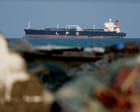
Trump's Call for Allied Deployment to Strait of Hormuz Meets Muted Response
In a significant escalation of geopolitical tensions, former President Donald Trump has urged allied nations to deploy warships to the Strait of Hormuz, a critical maritime chokepoint through which about 20% of the world's oil passes. This call comes amid ongoing hostilities and blockades initiated by Iran, which have raised alarms about potential disruptions to global oil supplies and maritime safety. While the urgency of Trump's appeal is evident, responses from nations like the UK and Japan have been cautious, reflecting both the complexity of international relations and the risks involved in military engagement.
The Strait of Hormuz is not only vital for oil transport but is also a symbol of global energy security. Trump’s post on his Truth Social platform specifically called on countries including the UK, China, France, Japan, and South Korea to contribute naval forces to ensure the safe passage of commercial vessels. However, despite the pressing nature of the crisis, these nations have refrained from making any firm commitments, indicating a careful consideration of the potential repercussions of military involvement in a region fraught with conflict.
The muted response from these countries underscores a broader hesitancy to engage militarily in the Middle East. Many nations are weighing their options against the backdrop of previous military interventions that have often led to prolonged conflicts and unintended consequences. The lack of immediate action could signal a desire to pursue diplomatic solutions or to observe how the situation evolves before committing resources. This caution reflects a shift in global military postures, with many countries reassessing their involvement in foreign conflicts.
The implications of this situation are profound. With Iran's recent aggressive maneuvers in the region, including the blockade of shipping routes, the stability of global oil markets is at stake. Should these nations decide to mobilize forces, it could lead to heightened tensions and potential confrontations with Iranian forces, which may further destabilize the region. On the other hand, inaction might embolden Iran and exacerbate the crisis, leading to broader ramifications for international trade and energy prices.
Experts suggest that the current diplomatic climate is marked by a reluctance to engage in military operations without clear objectives and exit strategies. Comparisons can be drawn to previous maritime confrontations in the South China Sea, where similar calls for international naval presence have met with varied responses, often driven by national interests and regional alliances. The situation in the Strait of Hormuz is further complicated by the intertwining interests of global powers, making any unilateral military action fraught with potential backlash.
As the situation unfolds, observers are keenly watching for any shifts in diplomatic stances from the countries involved. The next 24 hours could be pivotal, with potential announcements or meetings among leaders that may clarify their positions on military involvement. The response from global oil markets will also be critical, as any escalation could lead to fluctuations in oil prices, impacting consumers worldwide.
### Key Takeaways:
- Key Fact: Approximately 20% of the world’s oil passes through the Strait of Hormuz.
- What Changed: Nations are considering military deployment but are hesitant to commit forces amid rising tensions with Iran.
- What to Watch: Look for diplomatic engagements or statements from allied countries in the next 24 hours regarding military involvement.
- Practical Implication: Consumers should monitor oil prices, which may be affected by developments in the region.
- Related Trend: A growing reluctance among nations to engage militarily in the Middle East, reflecting lessons learned from past conflicts.
Original source: Guardian World
How this was produced: AI-assisted synthesis from cited source, filtered for duplication and low-value rewrites by TxtFeed quality rules.




Comments
No comments yet. Be the first to share your thoughts.