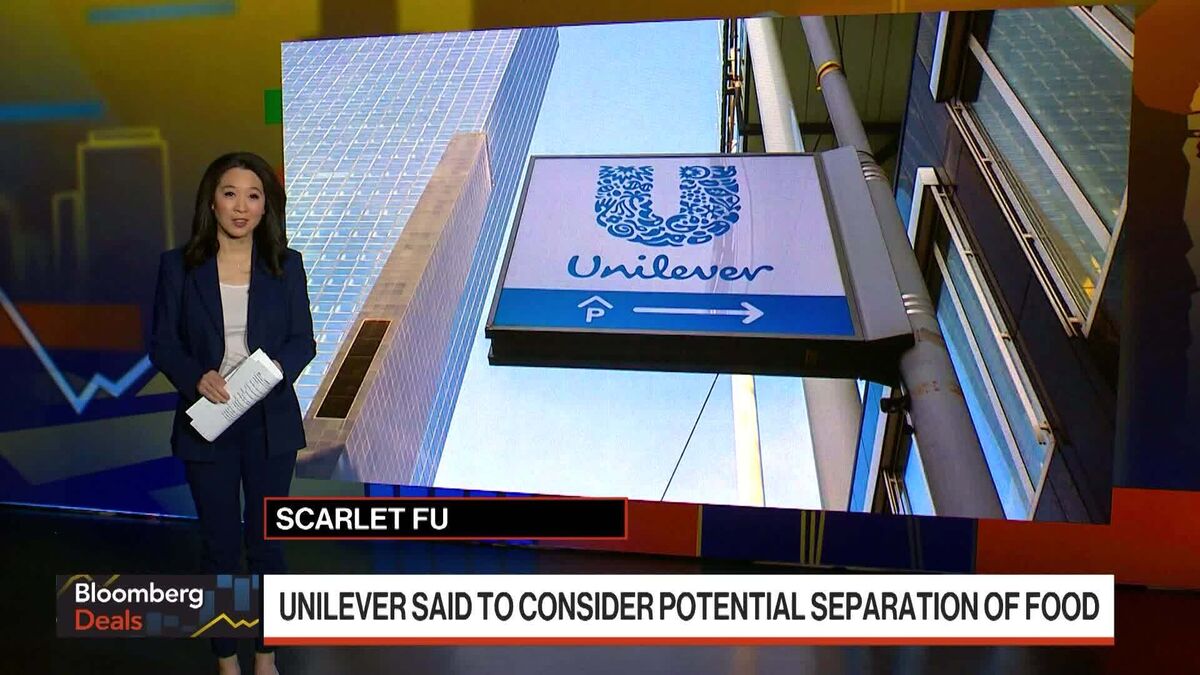
Unilever Weighs Potential Separation of Food Business Amid Strategic Shift
Unilever, the global consumer goods giant known for its diverse portfolio including Hellmann’s mayonnaise and Dove soap, is reportedly exploring a significant strategic move: the potential separation of its food assets. This consideration comes as the company aims to channel more resources and focus towards its beauty, personal care, and wellness brands, which have shown robust growth in recent years. This development signals a pivotal moment for Unilever, as it seeks to redefine its market positioning in an increasingly competitive landscape.
The discussions around the separation are still in their infancy, according to sources familiar with the matter, and no final decisions have been made. Unilever's food division, which has been a staple of its business model, has faced challenges in recent years, including shifting consumer preferences towards healthier and more sustainable options. This potential shift reflects a broader trend within the consumer goods sector, where companies are reevaluating their portfolios to prioritize high-growth categories that resonate with today's health-conscious consumers.
This move is particularly significant as Unilever has been grappling with stagnant sales and market share erosion in its food segment. By potentially divesting its food assets, Unilever could streamline its operations and concentrate on the more lucrative personal care and beauty markets, which have been less affected by economic volatility. Analysts suggest that such a separation could enhance operational efficiency and shareholder value, allowing Unilever to allocate resources more effectively.
The implications of this potential separation extend beyond Unilever’s immediate business strategy. It reflects a broader shift in consumer behavior, where there is an increasing demand for brands that align with personal well-being and sustainability. As companies pivot their focus, we may see a ripple effect throughout the industry, prompting competitors to reassess their own portfolios and strategies in response to changing consumer expectations.
Experts in the field note that this trend is not isolated to Unilever. Other major players in the consumer goods market have also been shifting their focus towards health and beauty products, as seen with Procter & Gamble’s recent emphasis on skincare innovations. This suggests a growing consensus among industry leaders that the future of consumer goods lies in products that promote wellness and self-care, rather than traditional food items that may not align with evolving consumer values.
As Unilever navigates this potential separation, stakeholders will be keeping a close eye on the developments in the coming days. Investors and market analysts will likely scrutinize the company's decisions, looking for signals about the future direction of its brand portfolio and overall strategy.
Key Takeaways:
- Unilever is considering separating its food assets to focus on beauty and personal care brands.
- The food division has faced challenges, prompting a strategic reevaluation.
- A separation could enhance operational efficiency and shareholder value.
- This trend reflects broader consumer preferences for health and wellness products.
- Other consumer goods companies may follow suit in reassessing their portfolios.
In a rapidly evolving market, this strategic pivot underscores the importance of adaptability and consumer alignment, which could reshape the landscape of the consumer goods industry in the near future.
Original source: Bloomberg
How this was produced: AI-assisted synthesis from cited source, filtered for duplication and low-value rewrites by TxtFeed quality rules.





Comments
No comments yet. Be the first to share your thoughts.