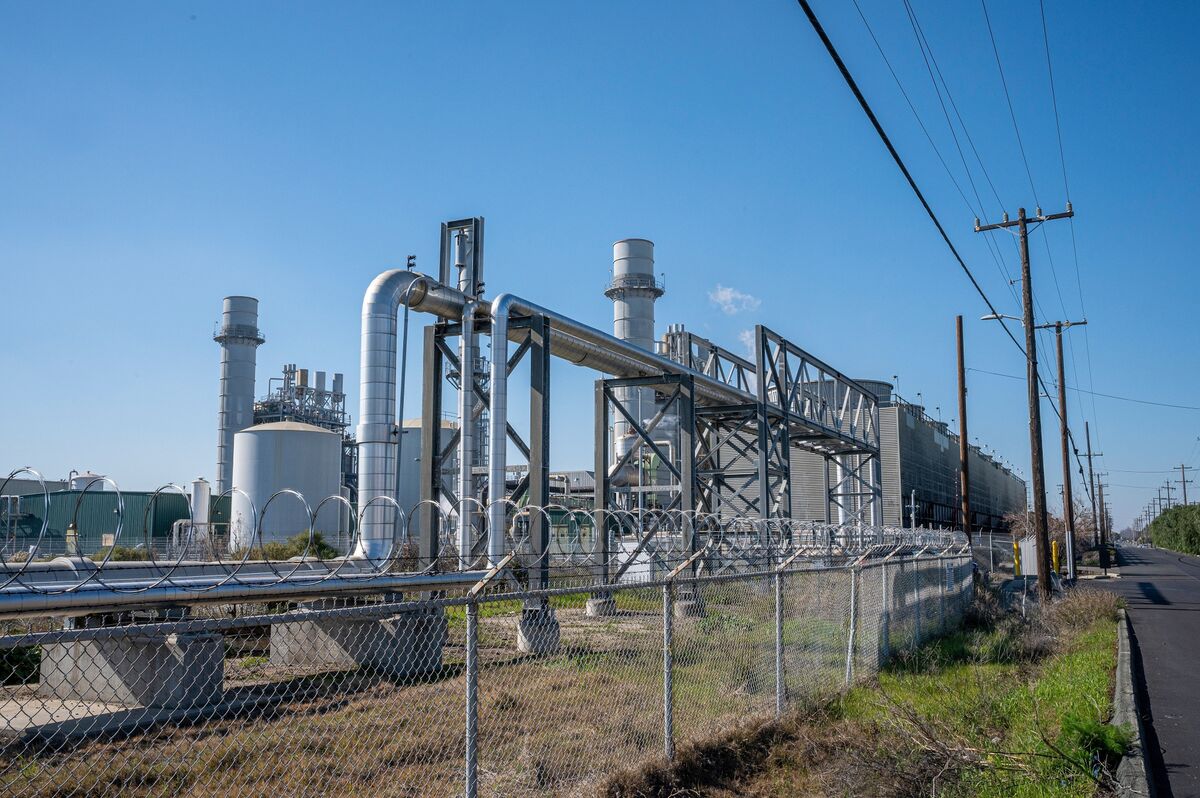
US Natural Gas Prices Decline Amid Warmer Weather Forecasts and Falling Oil Prices
In a notable market shift, US natural gas futures have experienced a significant decline for the second consecutive day, driven primarily by updated weather forecasts predicting milder temperatures. This change signals a reduced demand for natural gas, a vital fuel source for heating and power generation, particularly as the colder months approach. Additionally, the drop in oil prices has led to financial outflows from energy futures contracts, compounding the downward pressure on natural gas prices.
The latest forecasts suggest that temperatures across key regions will remain above seasonal averages, diminishing the immediate need for heating fuels. Analysts had previously anticipated a spike in demand due to colder weather, but the new projections indicate a more temperate outlook, which is likely to reduce consumption rates. This shift has prompted traders to reassess their positions in the natural gas market, leading to further price declines.
In the context of broader energy markets, the price drop in oil has also played a critical role. As oil prices decrease, investments often shift away from energy commodities, including natural gas, creating a ripple effect. Data shows that oil futures have dipped significantly, causing a reallocation of capital that negatively impacts natural gas investments. The combination of these factors has led to a notable decline in market confidence and price stability within the natural gas sector.
This situation is particularly relevant as it comes at a time when many households and businesses are preparing for winter heating needs. Lower natural gas prices could lead to reduced energy costs for consumers, but the volatility in energy markets raises concerns about long-term price stability. For investors and businesses reliant on energy commodities, these trends could signal a need for strategic adjustments in their portfolios.
Experts suggest that while the immediate outlook appears bearish for natural gas, there may be potential for recovery if winter temperatures unexpectedly drop or if geopolitical tensions affect global energy supplies. Historical comparisons reveal that similar patterns have occurred during previous mild winters, leading to sharp rebounds in pricing as demand suddenly surged.
As the market continues to react to these developments, stakeholders should remain alert to further weather updates and economic indicators that could influence energy prices. The interplay between natural gas and oil markets will be crucial to watch in the coming days, particularly as winter approaches.
Key Takeaways:
- Natural gas futures fell for the second day due to milder weather forecasts, indicating reduced heating demand.
- Falling oil prices are triggering financial outflows from energy futures, affecting natural gas markets.
- Investors should monitor short-term weather changes and economic indicators that may influence energy prices.
- Lower natural gas prices could lead to reduced energy costs for consumers, impacting household budgets this winter.
- The current trend underscores the volatility in energy markets, emphasizing the need for strategic planning by businesses reliant on these commodities.
Original source: Bloomberg
How this was produced: AI-assisted synthesis from cited source, filtered for duplication and low-value rewrites by TxtFeed quality rules.





Comments
No comments yet. Be the first to share your thoughts.