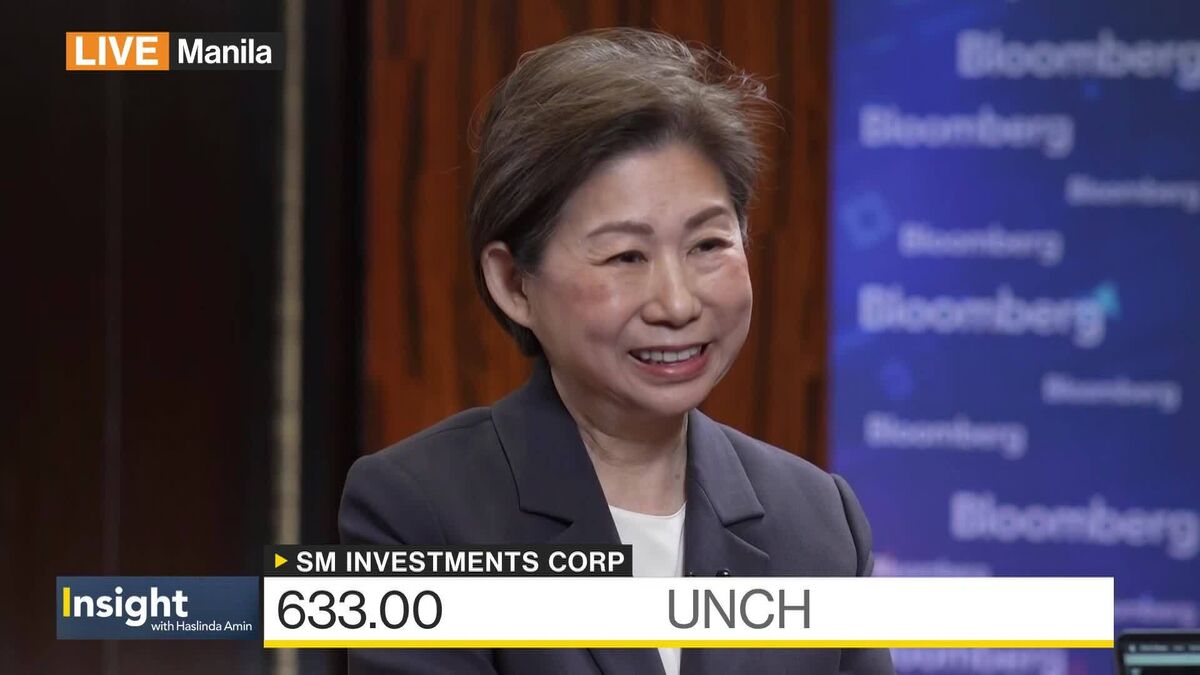
Weak Peso and High Costs Pressure Philippine Firms
The Philippine economy is grappling with significant challenges as a weakened peso, soaring import costs, and subdued consumer demand strain businesses across various sectors. This situation is particularly pronounced in retail, logistics, and property, where profit margins are increasingly squeezed. Teresita Sy-Coson, Vice Chairperson of SM Investments Corp., recently shared insights on these pressures during a discussion with Haslinda Amin, underscoring the urgent need for firms to adapt to this volatile environment.
In recent months, the peso has depreciated significantly against the dollar, making imports more expensive and further driving up prices for consumers. This has led to a noticeable decline in consumer spending, as households tighten their belts in response to rising costs. Retailers are feeling the pinch, particularly those who rely heavily on imported goods. Meanwhile, logistic companies are facing increased operational costs, which could impact service delivery and pricing strategies.
The property sector is not immune either, with rising costs affecting both construction and rental prices. As companies attempt to navigate these turbulent waters, many are looking towards expansion despite the challenges. Sy-Coson highlighted that while the environment is tough, firms are still pushing forward, exploring new markets and investing in technology. However, the slow adoption of technological solutions could hinder long-term competitiveness.
This scenario is critical for multiple stakeholders, including consumers, businesses, and policymakers. With inflationary pressures continuing, consumers may experience further reductions in purchasing power, leading to a potential slowdown in economic growth. For businesses, the need to innovate and adapt is paramount to survive in this challenging landscape. Policymakers must also monitor these developments closely, as sustained economic strain could lead to broader economic repercussions.
Experts suggest that the situation may evolve rapidly, with key indicators such as inflation rates and currency fluctuations warranting close attention. The interplay between these factors will likely dictate the pace at which firms can recover and adapt. Additionally, comparing the Philippine situation to other Southeast Asian economies facing similar challenges could provide insights into potential recovery strategies.
Key Takeaways:
- The Philippine peso's depreciation has increased import costs, affecting consumer demand.
- Retail, logistics, and property sectors are experiencing squeezed margins, yet firms continue to pursue expansion.
- Monitor inflation rates and currency movements for potential impacts on business operations.
- Consumers may face ongoing price pressures, impacting their purchasing behavior.
- Broader trends in Southeast Asia show similar economic pressures, potentially guiding recovery strategies.
Original source: Bloomberg
How this was produced: AI-assisted synthesis from cited source, filtered for duplication and low-value rewrites by TxtFeed quality rules.



Comments
No comments yet. Be the first to share your thoughts.